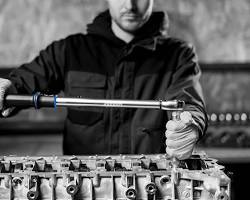
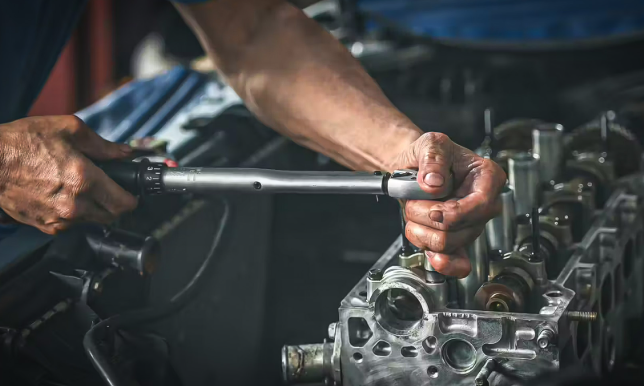
Every professional mechanic knows that a head gasket replacement is one of the most difficult and important tasks in the repair shop. This single seal must hold back thousands of pounds of pressure from the combustion chamber. At the same time, it must separate high-pressure engine oil from the cooling system. If the head gasket replacement is not performed with absolute precision, the engine will fail again very quickly.
For fleet owners and machine operators, a failed seal means more than just a broken part. It means your machine is not working, and you are losing money every hour. The cost of a second head gasket replacement is much higher than the first because of the extra labor and the risk of permanent engine damage. To avoid this, you must understand that this process is not just about swapping a part. It is a professional engineering task that requires clean surfaces, perfect measurements, and the exact following of cylinder head bolt torque specs.
Table of Contents
Initial Teardown and Critical Surface Inspection
The first stage of a successful head gasket replacement begins long before you touch the new gasket. After you remove the cylinder head, the real work starts with the inspection of the metal surfaces. In a heavy-duty diesel engine, the metal is under constant stress. Over time, the heat can cause the cylinder head to warp or bend slightly.
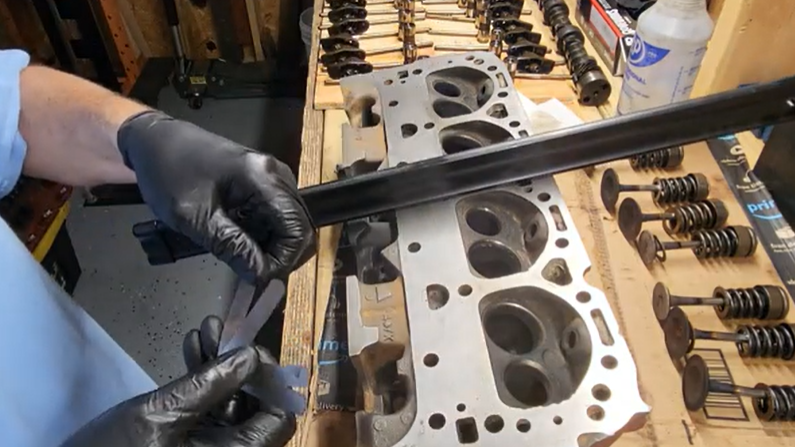
If you place a new gasket on a warped surface, the head gasket replacement will fail immediately. You must use a professional straight-edge tool and a feeler gauge to measure the flatness of both the engine block and the cylinder head. Even a gap as small as 0.05mm can be a disaster. If the surface is not flat, you must send the head to a machine shop to be resurfaced. Skipping this step is the most common reason why a head gasket replacement does not last.
The Science of Cleaning for a Permanent Seal
Once you confirm the surfaces are flat, you must focus on cleaning. During a head replacement, any small piece of old gasket material, dirt, or oil left on the metal will create a leak path. However, you must be very careful with how you clean. Many mechanics use metal scrapers or power tools that can scratch the surface.
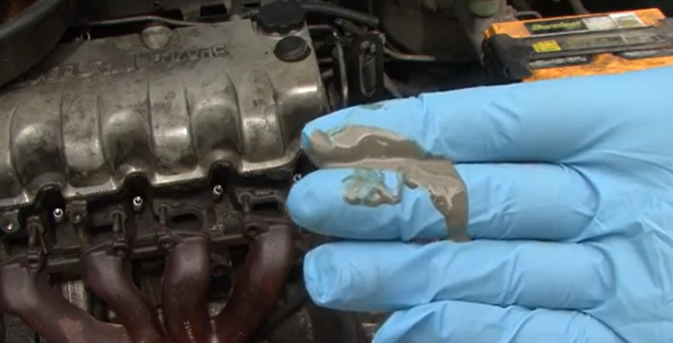
In professional head gasket replacement, you should use a chemical gasket remover to soften the old material. Then, use a plastic or brass scraper to gently remove the debris. The goal is to reach a “mirror finish” without removing any of the actual metal. After scraping, use a professional brake cleaner to remove every drop of oil. A clean, dry surface is the only foundation for a successful head gasket replacement.
Mastering the Cylinder Head Bolt Torque Specs
The most technical part of the entire job is the final assembly. This is where you must follow the cylinder head bolt torque specs with 100% accuracy. Engine bolts are designed to stretch slightly when they are tightened. This stretch creates the clamping force that holds the gasket in place.
During the head gasket replacement, you cannot just tighten the bolts in any order. You must follow the factory sequence, usually starting from the center and moving outward in a “star” or “spiral” pattern. If you do not follow the cylinder head bolt torque specs, the pressure on the gasket will be uneven. This causes the gasket to “pinch” in some areas and be too loose in others, leading to a leak within the first few hours of operation.
Why Torque-to-Yield Bolts Require Extra Care
Many modern engines used in commercial trucks use “Torque-to-Yield” (TTY) bolts. These bolts are designed to be used only once. During a head gasket replacement, if you reuse old TTY bolts, they will not provide the correct clamping force even if you follow the cylinder head bolt torque specs. They have already been stretched to their limit.
When you perform a professional head gasket replacement, you should always check the service manual to see if new bolts are required. When tightening these bolts, the cylinder head bolt torque specs often include a final step called “angle torque.” For example, you might tighten the bolt to 100 Nm and then turn it exactly 90 degrees more. This ensures the most consistent pressure possible across the entire head gasket.
High-Performance MLS Head Gasket Series
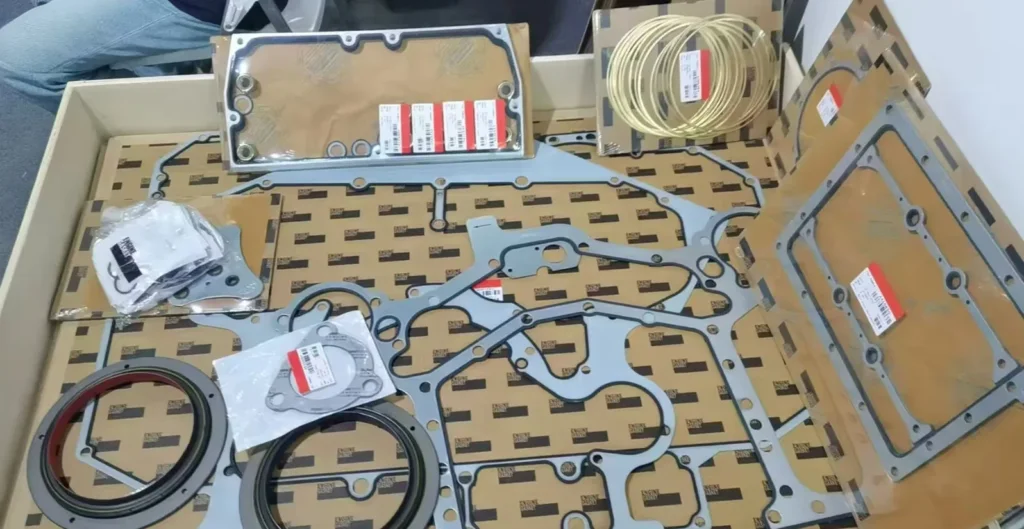
To ensure your head gasket replacement lasts for the long haul, you need the best materials. Standard composite gaskets often struggle with the heat of modern turbo-diesel engines. This is why we recommend Multi-Layer Steel (MLS) technology.
Our professional MLS gaskets are built with high-grade spring steel and a premium FKM coating. This coating allows the gasket to fill tiny imperfections in the metal surface during the head gasket replacement. When you combine these advanced materials with the correct cylinder head bolt torque specs, you create a seal that can handle extreme combustion pressure without failing.
Engineered for Specific Platforms: VPGASKET MLS Head Gasket Matrix
A perfect torque sequence is useless if the gasket’s structural footprint does not match the OEM block. We engineer heavy-duty head gaskets for the most punishing industrial and commercial environments. Below is a snapshot of our high-demand rebuild applications:
| Engine Platform | Critical Application | OEM Cross-Reference | Seal Architecture |
| Cummins KTA19 / K19 | Marine Propulsion, High-Output Generators | 3066311, 3299896 | Heavy-Gauge MLS + FKM Coating |
| Cummins NTA855 | Heavy Construction, Mining Excavators | 3052820, 3047390 | Extreme Pressure Steel Core |
| Cummins ISX / QSX15 | Class 8 Interstate Trucking | 4352145, 4299899 | Advanced Multi-Layer + Silicone Bead |
| Cummins ISG12 | Global Heavy Logistics (Auman EST) | 4376141 | Variable Thickness Steel Stamping |
Case Study: How an Engine Remanufacturer Eliminated 500-Hour Comebacks
An independent engine remanufacturing facility in Southeast Asia, specializing in overhauling massive Cummins K19 marine engines, faced a crisis. Despite following exact cylinder head bolt torque specs and resurfacing blocks perfectly, their engines were suffering from loss of compression and blown head gaskets after just 500 hours of offshore operation. The culprit? They were sourcing inferior composite gaskets from a general trading company that suffered from “torque-loss” under marine load conditions. They partnered with VPGASKET and switched their entire production line to our Heavy-Gauge MLS Head Gaskets. The Outcome: The superior spring-steel design of our gaskets maintained a rigid clamping force against the combustion chamber. The facility reduced its warranty return rate to 0%, secured long-term contracts with local shipping fleets, and saved significantly by importing directly from our manufacturing lines.
Avoiding Common Mistakes in the Final Hours
The final hours of a head gasket replacement are when many people rush and make mistakes. After the head is installed and the cylinder head bolt torque specs are met, you must focus on the fluids. You must flush the cooling system and change the engine oil. Any old coolant left in the oil, or oil left in the coolant, will continue to damage the engine’s internal parts.
Once the engine is running, do not immediately put it under a heavy load. Let it reach operating temperature and check for any small leaks. A professional head gasket replacement requires patience and attention to detail until the very last bolt is tightened and the last fluid is checked.
“The biggest failure I see in the field is not the gasket itself, but the preparation. Mechanics often rush the cleaning phase or reuse old head bolts to save money. In a heavy-duty engine, those old bolts have already lost their tension. If you want a head gasket replacement to last 500,000 miles, you must treat the surface like a surgical table and follow the cylinder head bolt torque specs as if it were a law. A single dirty bolt hole or a slightly warped head will destroy all your hard work in a matter of weeks. Do it right once, and you won’t have to do it again.”
- Senior Engine Master Technician
- Mark Stevenson
Why Leading Engine Rebuilders Partner With VPGASKET
A head gasket replacement is an engineering operation. You cannot afford to risk your mechanics’ labor on unverified parts. Affiliated with Hubei Lianzhong Industrial Co., Ltd., VPGASKET is a primary manufacturer, not a middleman. We provide global supply chain security for wholesale distributors, massive fleets, and remanufacturing facilities.
Our Value Proposition:
- Zero-Guesswork Procurement: Supply your Cummins ESN, and our technical database will identify the exact dimensional OEM gasket you need.
- Precision Stamping Machinery: Our head gaskets are manufactured using high-tonnage CNC presses, ensuring absolute flatness and uniform compression distribution.
- Volume Economics: By bypassing traditional trading companies, we deliver premium tier-one sealing solutions at highly aggressive B2B export pricing.
Ready to safeguard your rebuilds? Click the button below to connect with our global trade engineers for a comprehensive parts catalog and a custom container quote.
FAQ
1. Can I reuse my old head bolts during a head gasket replacement?
In most modern heavy-duty engines, you should not. Many bolts are “stretch bolts” that can only be used once. Reusing them means you cannot reach the correct cylinder head bolt torque specs, leading to a leak.
2. Why is the cleaning of bolt holes important for a head gasket replacement?
If there is oil or water in the bolt hole when you tighten the bolt, it can cause a “hydraulic lock.” This can crack the engine block or give you a false reading when you try to meet the cylinder head bolt torque specs.
3. Do I need to use a sealant on a new head gasket?
For most Multi-Layer Steel (MLS) gaskets used in a head gasket replacement, you should install them dry. Adding extra sealant can actually interfere with the FKM coating and cause the gasket to fail.
4. How do I find the correct cylinder head bolt torque specs for my truck?
You should always check the official service manual for your specific engine model and year. Different versions of the same engine can have different cylinder head bolt torque specs.
5. What happens if I over-torque the bolts during a head gasket replacement?
Over-tightening can snap the bolt or strip the threads in the engine block. It can also warp the cylinder head, making it impossible to get a perfect seal even with a new head gasket replacement.