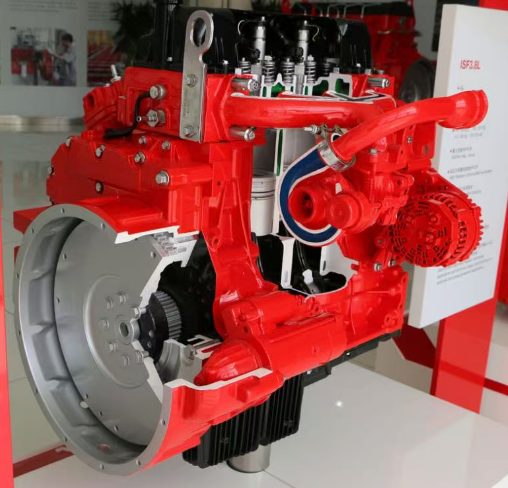
The Cummins ISF 3.8 (manufactured by Foton Cummins / BFCEC) is widely recognized as the ultimate workhorse for light commercial vehicles (LCVs). Powering delivery box trucks, urban transit vans, and specialized utility vehicles, this 3.8-liter diesel engine is engineered for relentless daily operation. However, its primary operational environment—stop-and-go urban traffic, heavy payloads, and continuous thermal cycling—places immense stress on its internal components.
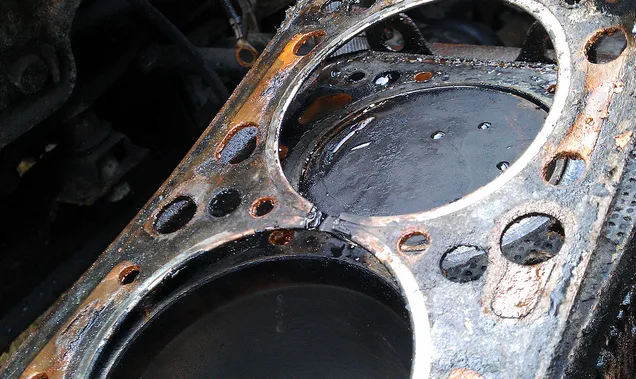
The most critical, yet vulnerable, component under these harsh conditions is the cylinder head gasket. A blown head gasket is a severe mechanical failure that instantly sidelines a commercial vehicle, bleeding revenue for fleet operators with every hour of downtime.
If you manage a fleet or run a diesel repair shop, correctly identifying the symptoms of a blown head gasket in Cummins ISF 3.8 engines is crucial. Catching the warning signs early can mean the difference between replacing a gasket kit and having to replace a destroyed engine block. This guide will walk you through the primary causes, the five critical symptoms, and the most reliable repair solutions.
Table of Contents
Primary Causes of Head Gasket Failure in Light Commercial Vehicles
A blown head gasket rarely happens without an underlying cause. In the context of light commercial vehicles operating in dense urban logistics, the failure is usually traced back to two primary culprits.
Chronic Engine Overheating
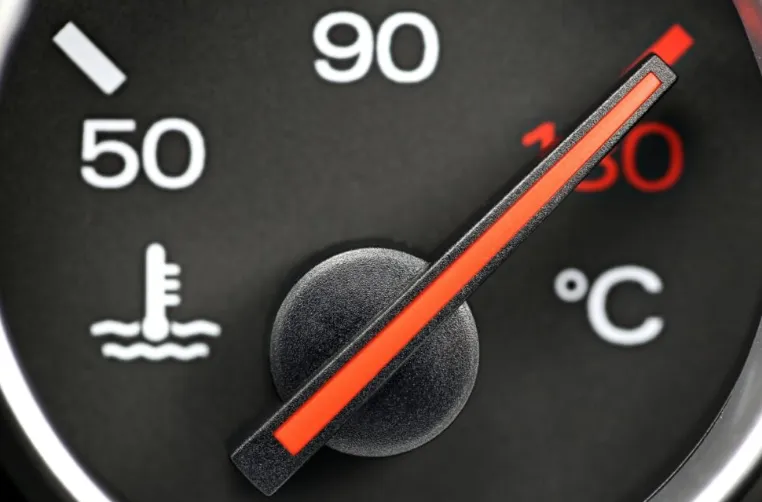
Overheating is the number one enemy of any diesel engine gasket. On urban delivery routes, trucks constantly idle in traffic and then accelerate heavily with a full load. If the cooling system is compromised—due to a failing water pump, a stuck thermostat, or a clogged radiator—the engine temperature spikes rapidly. When the cast-iron engine block and the cylinder head overheat, they expand at different rates. This extreme thermal expansion crushes the head gasket beyond its elastic limit. Once the engine cools down, the gasket cannot return to its original shape, leaving microscopic gaps where high-pressure combustion gases can escape.
Improper Installation or Torque Loss
The ISF 3.8 requires a precise clamping force to maintain a seal. If the engine was previously rebuilt or serviced using substandard bolts, or if the mechanic failed to follow the exact OEM center-out torque sequence, the clamping force will be uneven. Over time, the constant vibration and 2000+ psi of combustion pressure will “push” through the weakest point of the seal, resulting in a blown head gasket.
The Engineering Reality:
According to the Heavy-Duty Engine Rebuilding Standards Manual, “80% of head gasket installation success depends on following the exact factory center-out torque sequence and utilizing the correct angle-torque specifications.” Reusing stretched OEM bolts or guessing torque limits is the fastest way to repeat a blowout.
What the Experts Say
“In urban logistics, fleet vehicles endure more thermal cycles in a week than a highway truck does in a month. When diagnosing a 3.8L engine, don’t just look for external leaks. The most destructive gasket failures happen internally, silently destroying the bearings with coolant contamination before the driver even notices a temperature spike.”
— Michael Torres, Master Diesel Technician & Fleet Diagnostics Specialist
Diagnosing a Blown Head Gasket: 5 Critical Symptoms
⚠️ Safety Warning
Never attempt to open the radiator cap or coolant expansion tank on a Cummins ISF 3.8 while the engine is hot. A blown head gasket pressurizes the cooling system far beyond normal limits, creating a severe scalding hazard.
When the sealing barrier between the cylinder head and the engine block fails, the engine’s vital fluids and combustion gases begin to mix. If you suspect an issue with your ISF 3.8, look for these five undeniable symptoms of a blown head gasket in Cummins ISF 3.8.
1. Distinctive White Exhaust Smoke
One of the most immediate and visible signs of a blown head gasket is a thick cloud of white smoke billowing from the exhaust pipe, especially during startup or heavy acceleration.
- The Mechanical Cause: When the armor (fire ring) around the cylinder bore fails, the engine’s vacuum pulls liquid coolant from the water jacket directly into the combustion chamber during the intake stroke. When the fuel ignites, this coolant is instantly vaporized into steam, exiting the exhaust as thick white smoke. Unlike the normal condensation seen on cold mornings, this smoke will linger in the air and often has a distinctly sweet, chemical smell (burning antifreeze).
2. Coolant and Engine Oil Mixture (The “Milky” Oil)
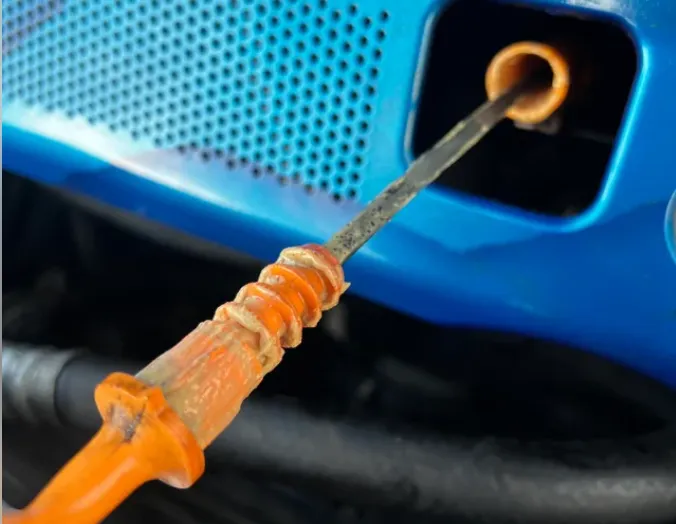
This is the most catastrophic symptom. Pull the dipstick or remove the oil filler cap and inspect the engine oil. If it looks like a thick, frothy, milky-brown milkshake, your gasket has failed severely.
- The Mechanical Cause: The gasket has ruptured between an oil gallery and a coolant channel. Because the oil system operates under high pressure, it mixes violently with the coolant. This emulsified mixture completely loses its lubricating properties. If the ISF 3.8 is driven in this state for even a few miles, the main crankshaft bearings and camshaft journals will be scarred and destroyed due to metal-on-metal friction.
3. Rapid Coolant Depletion Without Visible Leaks
Fleet drivers often report having to top off the coolant reservoir every few days, yet the mechanic can find no puddles under the truck and no dripping hoses.
- The Mechanical Cause: The coolant is being internally consumed. A minor breach in the head gasket is allowing coolant to slowly seep into the cylinders, where it burns off during operation. This “phantom leak” is a classic warning sign that a full blowout is imminent.
4. Pressurization in the Cooling System (Bubbling Reservoir)
If you open the hood while the engine is running and see aggressive bubbling inside the coolant overflow tank (looking like boiling water), you have a compression leak.
- The Mechanical Cause: Combustion pressure in a diesel engine is extraordinarily high. A blown head gasket forces this explosive exhaust gas out of the cylinder and directly into the cooling system channels. This extreme pressure pushes the coolant backwards, causing the radiator hoses to swell until they feel rock-hard, and forces gas bubbles up through the expansion tank.
5. Noticeable Engine Misfires and Power Loss
The ISF 3.8 is known for its punchy torque, which is essential for moving heavy cargo. A sudden sluggishness, rough idling, or a noticeable misfire (the engine sounding like it is skipping a beat) is a major red flag.
- The Mechanical Cause: A gasket failure between two adjacent cylinders causes them to share compression. When one cylinder tries to compress the air for ignition, the pressure leaks into the cylinder next door. Without adequate compression, the diesel fuel cannot properly detonate, resulting in a severe loss of horsepower and a highly unstable engine rhythm.
Effective Repair Solutions and Component Selection
Once you have confirmed the symptoms of a blown head gasket, Cummins ISF 3.8, the only solution is a top-end engine tear-down. However, fixing the problem isn’t just about replacing the broken seal; it is about upgrading the components to ensure it never happens again.
For commercial fleets, utilizing cheap aftermarket parts is a false economy. The labor required to remove the fuel injectors, turbocharger, and cylinder head on an ISF 3.8 is intensive.
Why Choose VPGASKET for Your ISF 3.8 Rebuild?
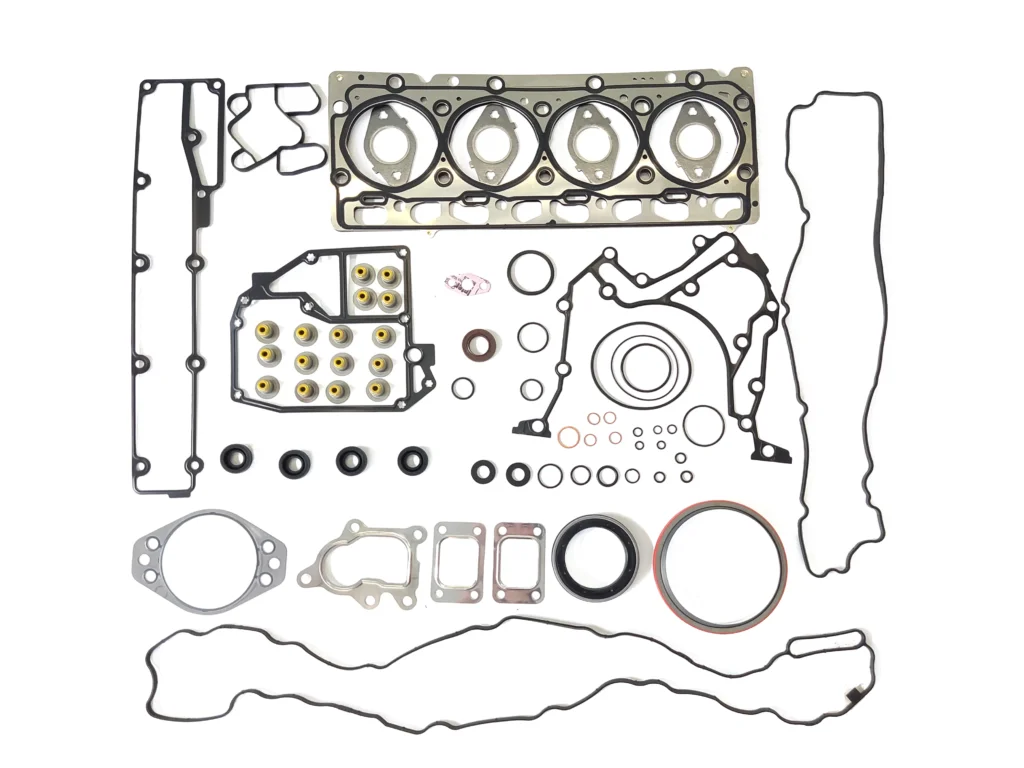
When sourcing replacement parts, B2B buyers and repair shop owners should demand OEM-grade materials. At VPGASKET, our Upper Gasket Kits for the BFCEC ISF 3.8 series are engineered to outlast the competition:
- Advanced Multi-Layer Steel (MLS): Our head gaskets utilize premium stainless steel layers that offer superior spring-back capabilities, absorbing the extreme thermal expansion that plagues urban delivery trucks.
- FKM (Fluoroelastomer) Coatings: We coat our gaskets in advanced heat-resistant polymers that seal micro-imperfections on the engine block, preventing future fluid cross-contamination.
- Comprehensive Kits: We supply the complete Upper Gasket Kit, meaning mechanics receive the head gasket, valve cover gasket, injector O-rings, and exhaust manifold seals all in one package, eliminating delays waiting for missing parts.
Cummins ISF 3.8 Gasket Application & OEM Cross-Reference Matrix
To ensure a 100% first-time fit, fleet managers must procure gaskets mapped precisely to the ISF 3.8 platform variants. VPGASKET manufactures direct OEM-replacement Upper Gasket Kits and Complete Overhaul Sets for the entire BFCEC (Foton Cummins) 3.8L ecosystem:
| Engine Platform | Emission Standard | Primary Vehicle Applications | Upper Kit Replaces OEM No. | Lower Kit Replaces OEM No. |
| ISF 3.8 | Euro III / IV | Foton Aumark (Light Truck), Foton Tunland | 4955356, 5262313 | 4955357, 5255312 |
| ISF 3.8 (Russian Spec) | Euro IV / V | GAZelle NEXT, GAZ Valdai, PAZ-3204 Bus | 5301014, 5263530 | 5302196, 4980644 |
| ISF 3.8 (Latin America) | Euro V | JAC N-Series (N75/N90), Volkswagen Delivery | 4376509 (Complete Overhaul Set) | (Included in Overhaul Set) |
Conclusion
A blown head gasket is a fleet manager’s worst nightmare, but early diagnosis can save thousands of dollars in secondary engine damage. By staying vigilant for white exhaust smoke, milky oil, and pressurized coolant, technicians can pull an ISF 3.8 from service before a minor leak turns into a catastrophic block failure.
When it comes time for the repair, don’t compromise the heartbeat of your commercial vehicle with unverified components. VPGASKET provides the heavy-duty sealing technology required to get your urban logistics fleet back on the road and keep it there.
Are you a diesel repair shop or an automotive parts distributor? Stock up on reliable, factory-direct inventory. Contact the VPGASKET sales team today to inquire about wholesale pricing for Cummins ISF 2.8 and ISF 3.8 Engine Gasket Kits.
Case Study: Eradicating ISF 3.8 Overheating for an Urban Logistics Fleet
A major urban courier fleet in Eastern Europe, operating 150 GAZelle NEXT delivery vans powered by the Cummins ISF 3.8, was facing a crisis. During peak summer logistics, their vans were consistently blowing head gaskets at the 80,000 km mark. The generic aftermarket composite gaskets they were using could not handle the localized heat from the EGR system during constant city idling. The fleet procurement director audited their supply chain and partnered with VPGASKET, transitioning the entire fleet to our MLS Head Gaskets with Advanced FKM Coating. The ROI was undeniable: The superior thermal transfer of our steel layers eliminated localized hot spots. The fleet extended its gasket lifecycle past 200,000 km, entirely eradicated “milky oil” failures, and saved an estimated $60,000 annually in emergency cylinder head machining and downtime.
FAQ
1. Can I use a liquid gasket sealer to fix a blown head gasket on an ISF 3.8?
No. While liquid “block sealers” (pour-in additives) might temporarily plug a pinhole leak in a small gasoline car, they are completely ineffective against the 2000+ psi of combustion pressure generated by a heavy-duty diesel engine like the Cummins ISF 3.8. A mechanical replacement is the only safe repair.
2. How much does it cost to fix a blown head gasket on a commercial truck?
The majority of the cost is labor. Tearing down a diesel cylinder head can take anywhere from 10 to 15 hours, depending on the vehicle chassis. While the gasket kit itself is highly affordable (especially when sourced directly from manufacturers like VPGASKET), the total repair bill highlights why using premium, fail-proof gaskets is so important to avoid doing the job twice.
3. Do I need to resurface the cylinder head when replacing the gasket?
In 90% of cases, yes. When a blown head gasket occurs due to overheating, the aluminum or cast-iron cylinder head often warps. Before installing a new VPGASKET MLS seal, a machine shop must verify the flatness of the cylinder head to ensure it meets Cummins’ strict Ra finish specifications.