Choosing the Foundation: Why the Right Material is Half the Job
In the industrial world, time is money. When a machine stops because of a leak, you need a solution fast. However, many maintenance teams face a major problem: the parts they need are not available. This is common when working with very old engines or custom industrial machines that do not have standard parts. In these situations, knowing how to choose the correct gasket making material is the difference between a successful repair and a dangerous failure.
For a professional workshop or a factory manager, you cannot just use any piece of rubber you find on the shelf. Every liquid, every gas, and every temperature requires a specific chemical foundation. If you use the wrong gasket making material, the seal might melt, shrink, or dissolve within hours. This leads to secondary damage that costs much more than the original part. Learning to select the right base sheet is the first and most important step in creating a reliable, long-lasting custom seal.
Table of Contents
Popular Industrial Gasket Sheet Categories
To make a smart choice, you must understand the different families of sheets available. Each gasket making material has a specific “job” it is designed to do. Using a high-pressure sheet for a low-pressure application is a waste of money, but using a low-grade sheet for high heat is a safety risk.
Compressed Non-Asbestos Fiber Sheets
CNAF is the “workhorse” of the modern industrial world. Since asbestos was removed for safety reasons, these fiber-based sheets have become the standard gasket making material for general use. They are made by mixing strong fibers (like aramid) with specialized rubber binders.
These sheets are excellent for water, low-pressure steam, and general engine oils. They are stiff but easy to cut, making them perfect for large industrial flanges or engine side covers. When you are looking for a reliable, all-purpose gasket making material, CNAF is usually the best starting point because of its balance between cost and performance.
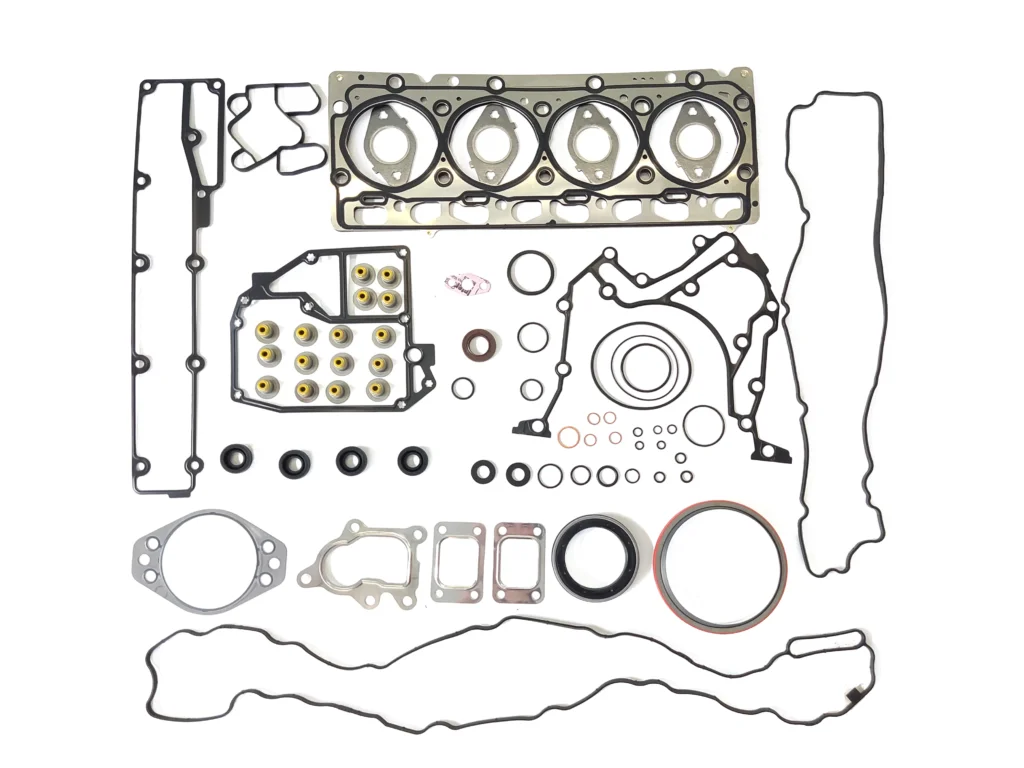
Our sheets are engineered to meet or exceed OEM specifications, allowing you to cut custom seals that directly replace expensive factory parts, such as Cummins OEM gaskets (e.g., 3937111, 4932210) without sacrificing durability.
Flexible Graphite and Rubber-Steel Reinforced Sheets
When the heat and pressure go up, standard fibers are not enough. This is where you need advanced gasket making material like flexible graphite. Graphite is a natural mineral that can handle extreme temperatures up to 450°C (842°F). It is very soft and can fill even the smallest scratches in a metal surface.
For heavy-duty diesel engines, many mechanics choose reinforced sheets. These feature a thin layer of stainless steel inside the rubber or graphite. This inner “skeleton” prevents the gasket making material from being blown out by high-pressure combustion gases. These are the foundations for head gaskets and exhaust manifold seals, where the environment is too brutal for simple fiber sheets.
VPGASKET Material Compatibility & Application Guide
To help you choose the right foundation, here is our technical data and compatibility chart for our most popular gasket making materials used in heavy-duty and commercial applications:
| Material Type | Max Temp | Best For | Compatible Engine Brands | Common Vehicle/Equipment Applications |
| Premium CNAF (Compressed Non-Asbestos) | 250°C (482°F) | Water pumps, oil pans, side covers, general sealing | Cummins (4BT, 6BT, ISF), Perkins, Deutz | Foton Light Trucks, GAZelle Series, Agricultural Tractors |
| Flexible Graphite | 450°C (842°F) | Exhaust manifolds, turbocharger flanges, high-heat zones | Cummins (ISB, QSM, QSK), Volvo Penta, CAT | Heavy-duty mining trucks, Marine generators, Construction excavators |
| Rubber-Steel Reinforced | 350°C (662°F) | Cylinder head gaskets, high-pressure fluid systems | Cummins (ISL, ISX), Kamaz, Weichai | Long-haul logistics trucks, Industrial power plants |
| High-Grade NBR | 120°C (248°F) | Fuel systems, oil coolers, low-temp fluid transfer | Universal Application | Fleet maintenance, aftermarket general repairs |
Pro Techniques: Custom Gasket Cutting Tips for Beginners
Once you have selected the perfect gasket making material, the next challenge is creating a precise shape. A poorly cut gasket will have weak spots that lead to leaks. To achieve a professional result, you should follow these custom gasket cutting tips to ensure your seal is as good as a factory part.
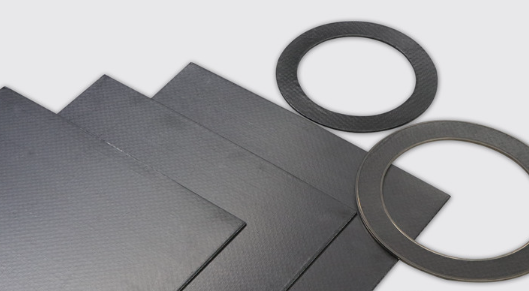
Tip 1: The Hollow Punch Method for Bolt Holes
The most common mistake is using a knife to cut bolt holes. This creates jagged edges that can tear under pressure. Instead, use a set of hollow metal punches. Place the gasket making material on a piece of hardwood and strike the punch with a hammer. This creates a perfectly round hole with clean edges. Clean holes ensure that the bolt pressure is distributed evenly across the gasket making material.
Tip 2: Using the “Ball-Peen Hammer” Impression Technique
If you have the metal part but no template, you can create a perfect match. Place the gasket making material over the metal flange. Use a small ball-peen hammer to gently tap around the edges and over the bolt holes. The metal edge will act like a knife, creating an impression or a cut in the sheet. This is one of the most useful custom gasket cutting tips for old machines where no paper drawings exist.
Tip 3: The Importance of Radius Corners
Sharp internal corners are “stress risers.” If you cut a square hole in your gasket making material, the corners are likely to crack. Always use a small round punch or a specialized tool to create a radius (curved corner). This simple change in your custom gasket cutting tips list will significantly increase the lifespan of your custom seal under vibration.‘
Real-World Results: Why Fleets Trust VPGASKET Materials
Using the right material doesn’t just stop leaks; it transforms business profitability. Recently, a major agricultural equipment distributor in Eastern Europe was struggling with repeat oil leaks on their older tractor models because factory parts were discontinued. By switching to VPGASKET’s Premium CNAF gasket making material and following our precise cutting tips, they began manufacturing their own custom seals in-house. The result? They reduced their equipment downtime by 40%, eliminated expensive international shipping delays for rare parts, and saved over $15,000 annually in maintenance costs.
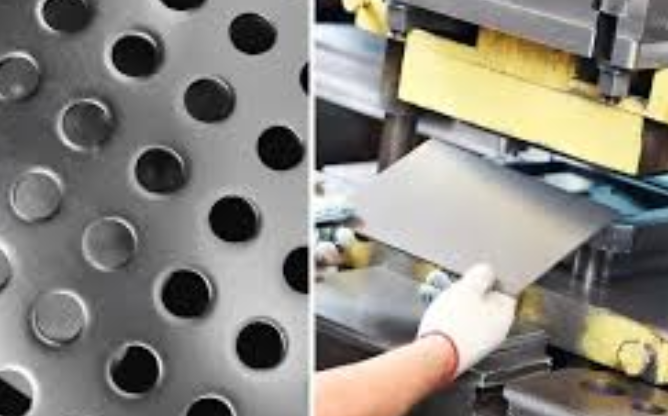
VPGASKET Industrial Sealing Sheet Series
As a direct manufacturer with over 28 years of experience, VPGASKET does not just sell materials; we provide complete sealing solutions. Our Factory Advantages Include:
- ISO 9001 Certified Quality: Every batch of our gasket making material undergoes strict density and tensile strength testing.
- Custom Bulk Sizing: We supply industrial rolls (up to 50 meters) and pre-cut sheets (from 0.5mm to 5mm thickness) tailored to your warehouse needs.
- Technical Support & ESN Matching: Not sure what material works for a specific Cummins Engine Serial Number (ESN)? Our engineering team provides free consultation to ensure perfect compatibility.
- Factory-Direct Pricing: Eliminate the middleman. We offer aggressive B2B wholesale discounts for distributors and large-scale repair centers.
Wholesale Inquiries for Industrial Sealing Sheets
Are you looking for a reliable factory supplier for your workshop or distribution business? Do you need large quantities of gasket making material that can handle the toughest industrial environments? Our team is ready to provide you with the technical specifications and bulk pricing you need to stay competitive.
Click the button below to talk to our professional sales representatives. We can provide you with a full catalog of our sheets and offer expert advice on the best material for your specific application.
“In my 30 years of maintaining industrial equipment, the biggest mistake I see is ‘material guessing.’ Many people think any sheet will work if they follow the right custom gasket cutting tips. But the truth is, if the chemistry is wrong, the best cutting skills in the world won’t save you. You must match the gasket making material to the fluid and the pressure of the system. I always tell my team: ‘Measure twice, cut once, but check the material specs three times.’ A professional-grade sheet is a small investment compared to the cost of an environmental leak or an unplanned factory shutdown. Trust the data, not your eyes.”
- Marcus Thorne
- Industrial Maintenance Specialist
Environmental Factors: Beyond Heat and Pressure
“When selecting your gasket making material, always consider external factors like ozone, UV exposure, and saltwater, which can degrade standard rubber rapidly.”
Avoiding the “Counterfeit” Trap in B2B Sourcing
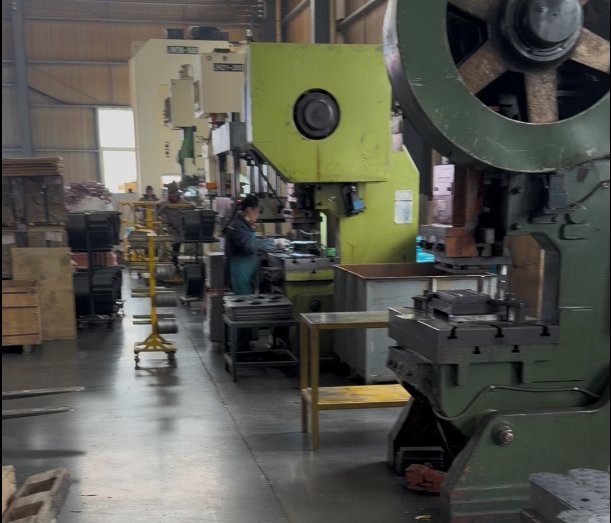
The global market is full of cheap, unbranded sheets that look like professional gasket making material. However, many of these use low-grade recycled fibers or “clay fillers” to reduce the cost. These materials will fail under pressure and can be dangerous in steam or chemical applications.
When sourcing for your business, always look for a manufacturer with a proven history. A professional gasket making material should have a consistent color, no strong chemical smell (which indicates low-grade binders), and clear technical data sheets. By following these custom gasket cutting tips and sourcing from a trusted factory, you protect your company from the massive costs of equipment failure and legal liability.
Start Your Professional Sealing Project Today
Whether you are fixing a vintage tractor or maintaining a modern power plant, your success depends on the foundation. Don’t settle for “good enough” when it comes to your gasket making material. Using the right sheets and the best custom gasket cutting tips ensures that your work is respected and your machines stay running.
Contact us today to explore our full range of industrial sheets. We are more than just a factory; we are your partner in engineering the perfect seal.
FAQ
1. How do I know which thickness of gasket making material to use?
A common rule is to use the thinnest material possible that will still create a seal. Thicker gasket making material is more likely to be “blown out” by high pressure. However, if the metal surfaces are very rough or old, you may need a thicker sheet to fill the gaps.
2.Can I use a regular utility knife for custom gasket cutting tips?
A: Yes, but the blade must be very sharp. A dull blade will pull and tear the gasket making material, leaving rough edges. For thicker sheets, a professional gasket cutter or a heavy-duty industrial blade is a better choice for clean lines.
3.Is there a gasket making material that works for both oil and high heat?
Yes, Flexible Graphite with a steel core is excellent for both. However, if the temperature is below 200°C, a high-quality CNAF sheet is often a more cost-effective gasket making material that handles oil very well.
4. Why is my custom gasket leaking even though the material is correct?
This usually happens because of the cutting quality or uneven bolt pressure. Following custom gasket cutting tips like using punches for holes and ensuring the surface is clean is vital. Also, check if the bolts were tightened in the correct sequence.
5. How should I store rolls of gasket making material to keep them fresh?
You should store sheets and rolls in a cool, dry place away from direct sunlight. Sunlight and heat can dry out the rubber binders in the gasket making material, making it brittle and difficult to cut or seal.