Every professional mechanic has experienced the same frustration. You spend ten hours performing a complex engine rebuild, you follow every torque spec, and you use a premium seal. Yet, a few days later, the engine begins to weep oil. In the vast majority of cases, the fault is not with the new part. Instead, the failure is caused by a poor surface. Statistics show that nearly 80% of sealing failures are caused by old residue left on the metal. This is why a high-quality gasket remover is the most important tool in your maintenance kit.
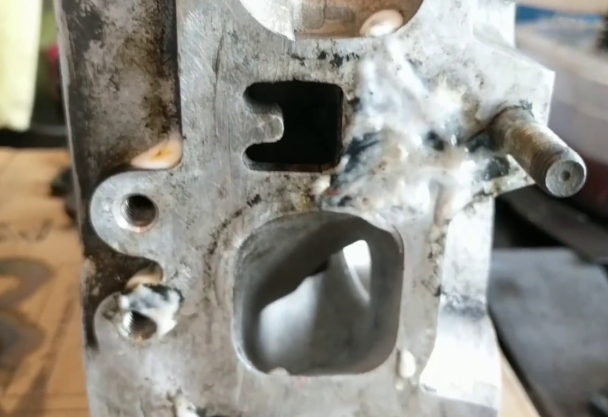
When you remove an old seal, it often leaves behind microscopic pieces of rubber, carbon, and adhesive. If these are not removed, the new gasket cannot lie flat. This creates a tiny gap that pressurized oil or coolant will eventually find. Many people try to rush this stage, but in the B2B world, time saved on cleaning is money lost on warranty claims. Mastering the use of a gasket remover is the only way to ensure that your repairs are permanent and your customers stay satisfied.
Table of Contents
Chemical Gasket Remover vs. Mechanical Scraping
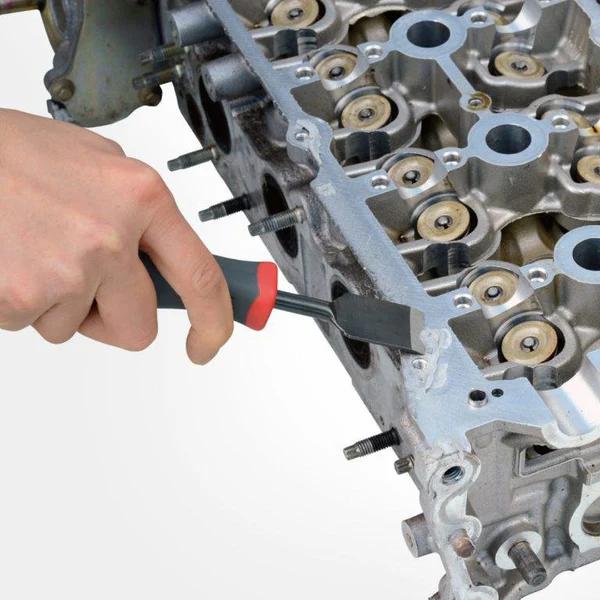
For many years, the standard way to clean a surface was to use a sharp metal scraper or a wire brush. However, modern engines have changed. Most cylinder heads and blocks today are made of aluminum or specialized alloys. These metals are much softer than the steel scrapers used to clean them. Using a metal blade to clean a head can result in deep scratches or “gouges.” These scratches become permanent leak paths that even a new gasket cannot fill.
A chemical gasket remover offers a much safer and more professional solution. These sprays are designed to break the molecular bond of the old material without touching the metal underneath. A high-quality gasket remover penetrates the layers of baked-on silicone or paper, turning them into a soft gel that can be wiped away with a plastic tool. This “soft-touch” approach preserves the factory-smooth finish of the engine parts, which is vital for a high-pressure seal.
Pro Steps for Cleaning the Engine Block for a New Gasket
To get the best results, you must follow a logical process. Simply spraying a gasket remover and wiping it off is often not enough for heavy-duty engines. You must be methodical when cleaning the engine block for a new gasket to ensure a surgical level of cleanliness.
Step 1: Surface Protection and Preparation
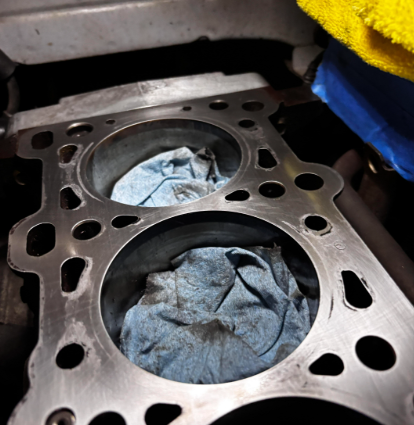
Before you begin, use clean shop rags to block all oil passages, water jackets, and bolt holes. You do not want pieces of old gasket or chemical gasket remover falling into the engine. Once the internal areas are protected, apply a thick layer of the spray to the entire sealing surface.
Step 2: Dwell Time and Softening
The biggest mistake is moving too fast. A professional gasket remover needs time to work. Depending on the thickness of the old seal, you should wait between 5 and 15 minutes. You will see the old material begin to bubble or lift away from the metal. This is a sign that the chemical reaction is successful.
Step 3: Gentle Removal and Final Wipe
Use a brass or plastic scraper—never steel—to lift the softened material. The debris should come off easily. If some areas are still stuck, apply more gasket remover and wait again. After the surface is physically clear, use a lint-free cloth and a professional solvent to remove any chemical film. Cleaning the engine block for a new gasket is only finished when a white cloth stays perfectly clean after wiping the metal.
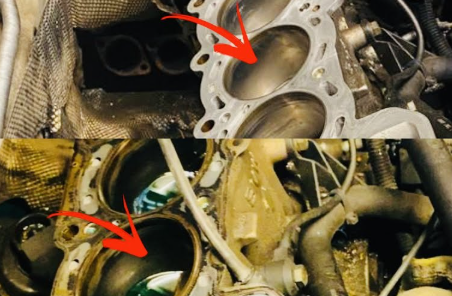
Tips for Dealing with Baked-on Graphite and Silicone
Some materials are much harder to remove than others. Heavy-duty diesel engines often use graphite-core head gaskets or high-temp RTV silicone. After years of heat cycles, these materials become “baked” onto the metal. They can feel as hard as the engine block itself. In these situations, your gasket remover technique needs to be more advanced.
For stubborn graphite, you may need to apply the gasket remover and then cover the surface with plastic wrap. This prevents the chemical from evaporating, allowing it to soak deep into the graphite layers for a longer period. For thick silicone, it is often best to remove the “bulk” of the material with a plastic blade first, then use the gasket remover to take care of the thin layer that is bonded to the metal. This two-stage approach is the most efficient way of cleaning the engine block for a new gasket without wasting time or supplies.
Related Products
-
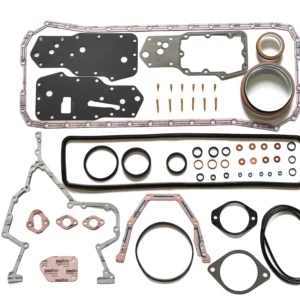
3800487 Upper Engine Gasket Set for Cummins 6CT 8.3L – Premium Top-End Overhaul Kit
-
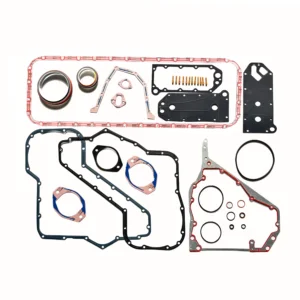
3800558 Upper Engine Gasket Set for Cummins 6CT 8.3L – Premium Overhaul Kit
-
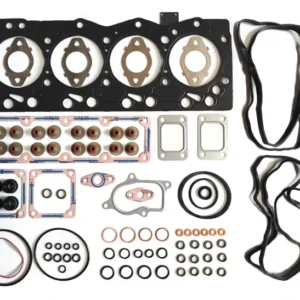
4025107 Upper Engine Gasket Kit – Cummins ISBe / ISB4 / 4ISBe
-
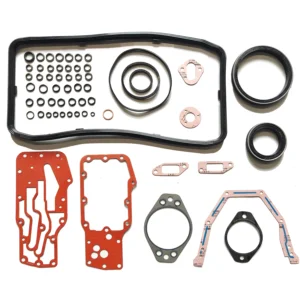
4025108 Lower Engine Gasket Kit for Cummins ISBe4 – Professional Bottom-End Overhaul Set
VPGASKET Professional Maintenance Kits
At our factory, we understand that a gasket is only one part of the sealing system. This is why we support our B2B partners with more than just parts. We provide a complete maintenance context. When you purchase our premium engine seals, we recommend using them alongside professional-grade tools.
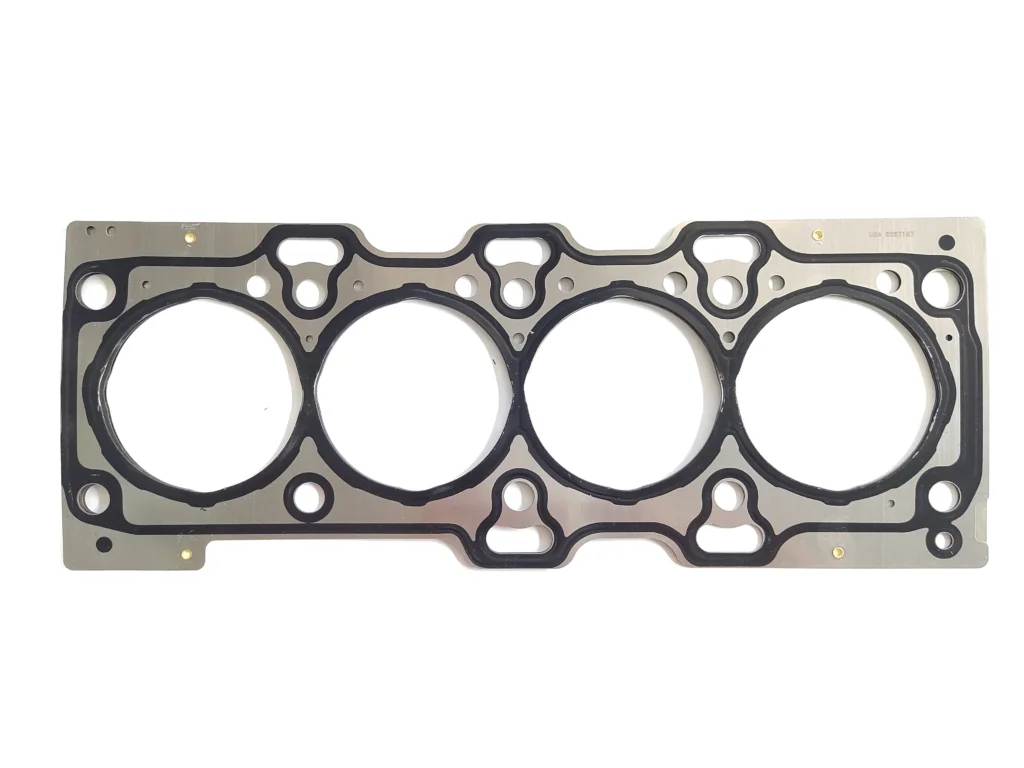
Our research shows that technicians who use a high-quality chemical gasket remover reduce their surface preparation time by 40%. More importantly, they significantly reduce the risk of scratching sensitive aluminum heads. We manufacture our seals to a tolerance of 0.01mm, and we want the surfaces they sit on to be just as perfect. By combining our precision-engineered gaskets with the correct gasket remover techniques, you ensure a factory-quality seal every time you close an engine.
Source Professional Gaskets Direct from the Factory
Are your technicians wasting too much time with old-fashioned scraping methods? Is your distribution center struggling with repeat leak issues due to poor-quality seals? It is time to upgrade your entire sealing strategy. As a direct manufacturer affiliated with Hubei Lianzhong Industrial Co., Ltd. (established in 2001), VPGASKET provides the ultimate solution for the B2B aftermarket:
- Free ESN Matching: Provide your Cummins Engine Serial Number, and we guarantee a 100% accurate OEM replacement match.
- ISO 9001 Certified Quality: Every gasket is engineered to withstand extreme diesel pressure and heat.
- Factory-Direct Wholesale Pricing: Eliminate the middleman and increase your profit margins with our global export capabilities.
Stop fighting with old gaskets and start using a smarter, faster system. Click the button below to get our comprehensive catalog and a custom wholesale quote today.
Real-World Results: Eliminating Comebacks for a Heavy-Duty Repair Center
Recently, a commercial diesel repair center operating 12 bays was facing a 15% warranty return rate on their engine overhauls. Their mechanics were using wire brushes to clean aluminum cylinder heads, causing microscopic scratches, and then installing cheap aftermarket composite gaskets. They completely overhauled their standard operating procedures (SOP). They banned wire brushes, switched strictly to chemical gasket removers, and upgraded all their parts to VPGASKET’s MLS and FKM sealing kits. The Benefits: The chemical removers saved them 40 minutes of prep time per engine. More importantly, pairing a scratch-free surface with VPGASKET’s premium steel gaskets reduced their leak-related warranty claims to absolute zero. By standardizing their prep and parts, the shop saved over $8,000 a month in unpaid rework labor.
Pair Your Clean Engine Block with Premium VPGASKET Seals
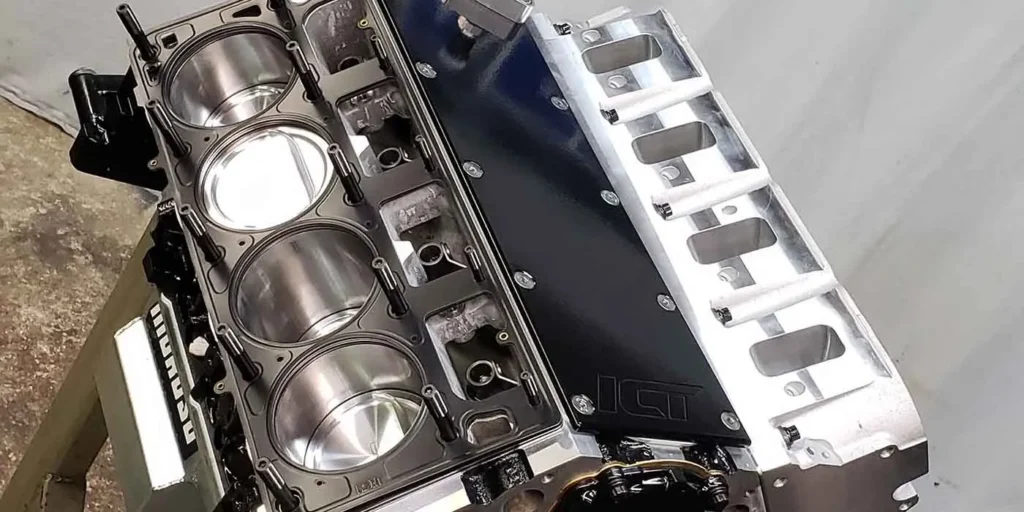
A perfectly clean engine block is only half the battle. If you install a low-quality gasket on a clean surface, it will still fail under heavy diesel pressure. Our B2B partners pair their professional surface preparation with our OEM-equivalent gaskets. Here is a quick reference guide for our most popular heavy-duty applications:
| Engine Series | Compatible Vehicle Brands | Typical Applications | Replaces OEM No. | Gasket Material Tech |
| Cummins ISB 5.9 / 6.7 | Dodge RAM, Freightliner | Medium-Duty Logistics Trucks | 3928224, 4933225 | Multi-Layer Steel (MLS) |
| Cummins ISF 2.8 / 3.8 | Foton, GAZ, JAC | Foton Aumark, GAZelle NEXT | 5255312, 5262313 | FKM Coated + Steel Core |
| Cummins ISX 15 / QSX | Peterbilt, Kenworth, Volvo | Class 8 Heavy-Duty Trucks | 4352145, 4952829 | Advanced MLS + Silicone Bead |
| Cummins QSK 19 / 60 | Komatsu, Heavy Machinery | Mining Haul Trucks, Generators | 4089709 (Kit) | Extreme Heat Industrial Grade |
“I’ve spent 25 years in engine bays, and I’ve seen more engines ruined by a $5 scraper than by actual wear and tear. When a young mechanic asks me for the secret to a leak-free build, I don’t show them a torque wrench—I show them a can of gasket remover. If the metal surface isn’t perfect, the most expensive gasket in the world won’t save you. You have to be patient. Spray the gasket remover, let the chemistry do the hard work, and only then start cleaning the engine block for the new gasket. It’s the difference between a job that stays fixed and a job that comes back on a tow truck.”
- Steve “Wrench” Miller
- Master Technician
FAQ
1. Will a chemical gasket remover damage the engine paint?
Most professional gasket remover formulas are very strong and will quickly lift engine paint or coatings. Always use a shield or masking tape to protect areas you do not want to clean. If you do get it on the paint, wash it off immediately with water.
2. Can I use a gasket remover on plastic or rubber parts?
No. A gasket remover is designed specifically for metal surfaces. It can melt or deform plastic intake manifolds and rubber hoses. Always remove any plastic components before you begin cleaning the engine block for the new gasket.
3. Why should I avoid using a wire brush on a drill?
A wire brush on a power tool creates a lot of heat and can easily remove metal from an aluminum head. This creates low spots that the gasket cannot seal. Using a gasket remover and a manual scraper is much safer for keeping the surface flat.
4. How do I know when the surface is clean enough for a new seal?
After using the gasket remover, the metal should be bright and consistent in color. When you are finished cleaning the engine block for the new gasket, run your finger (carefully) over the surface. It should feel smooth like glass, with no bumps or rough spots.
5. Is a gasket remover safe to use in a small, enclosed shop?
These chemicals often have strong fumes. You should always use a gasket remover in a well-ventilated area and wear proper eye protection and gloves. Safety is a key part of professional engine maintenance.