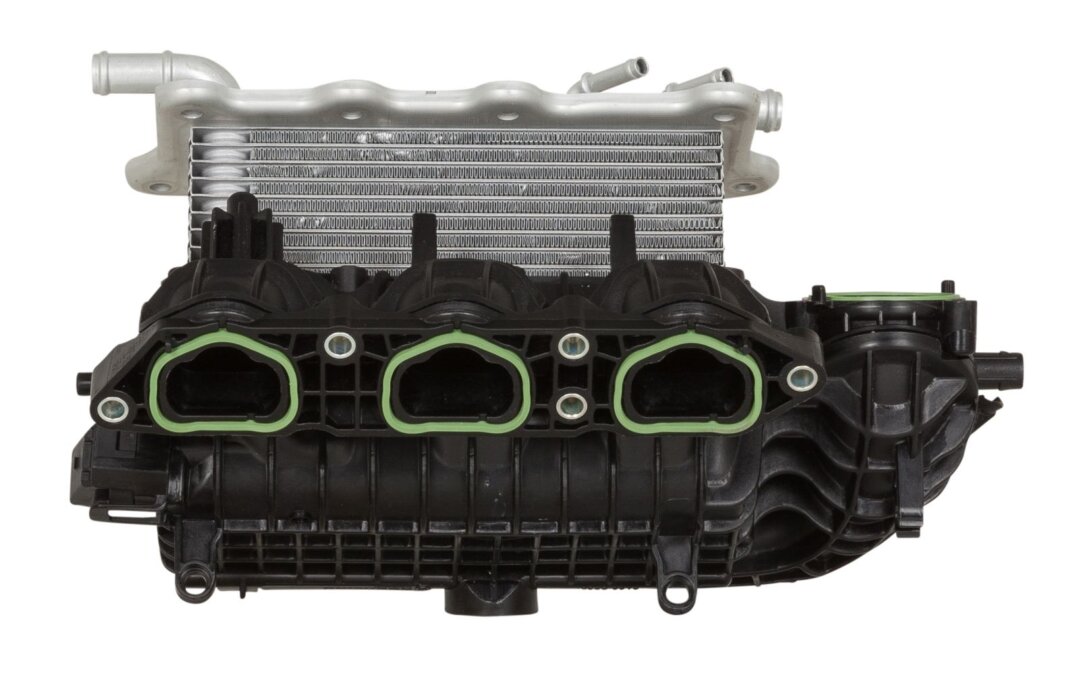
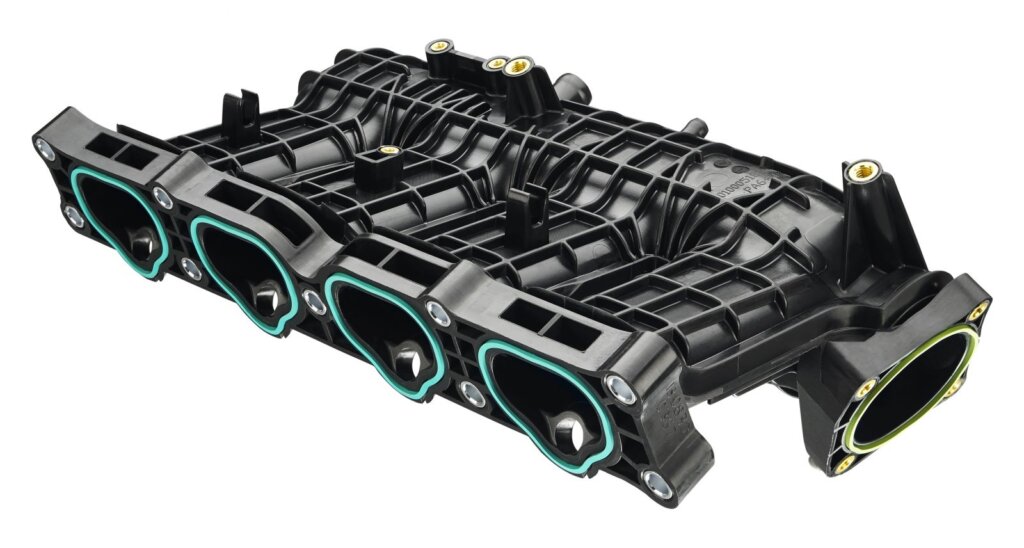
Are you wondering How Much Is A Intake Manifold Gasket Replacement: B2B Cost for a commercial heavy-duty engine? In the world of transportation and heavy machinery, the engine is the heart of your business. For a diesel engine to produce massive torque, it requires a perfectly sealed path for compressed air. When this seal breaks, fleet managers and repair shop owners immediately face this critical financial question of how much is a intake manifold gasket replacement. Understanding the full scope of this repair is essential for business owners who want to control their maintenance budgets.
Table of Contents
Breaking Down the True Cost of Air Leaks
When a client calls a professional repair shop and asks How Much Is A Intake Manifold Gasket Replacement: B2B Cost, the mechanic cannot simply quote the price of the gasket. They must quote the entire job. To understand the true cost of an air leak, you must divide the expense into three separate categories: the cost of the parts, the cost of the labor, and the hidden cost of downtime.
First, let us look at the parts. Depending on the engine size, a standard intake manifold gasket might cost between $20 and $80. If you are buying a premium multi-layer or metal-reinforced gasket for a massive industrial engine, the price might be slightly higher. In the context of a commercial vehicle repair, the part itself is incredibly cheap.
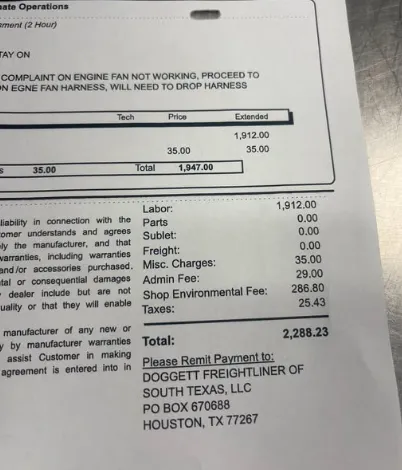
However, the second category is where the expense explodes. The labor cost for intake manifold gasket replacement is consistently high because of where the part is located. On a modern turbo-diesel engine, the intake manifold is not easy to reach. A mechanic must often remove high-pressure fuel lines, massive wiring harnesses, Exhaust Gas Recirculation (EGR) valves, and various electronic sensors just to see the manifold bolts.
Once the manifold is unbolted, it must be carefully lifted. These components are often made of heavy cast iron or thick aluminum. After removal, the mechanic must spend a significant amount of time cleaning the old, baked-on gasket material from the cylinder head surface without scratching the metal. Because of this complex process, the labor cost for intake manifold gasket jobs usually ranges from 4 to 8 hours of professional labor. At a standard commercial shop rate of $150 per hour, the labor alone can cost between $600 and $1,200.
Finally, the third category is vehicle downtime. Every day a commercial truck sits in the repair bay, it is not generating revenue. If you try to save money by buying a cheap gasket, and that gasket fails six months later, you will have to pay that massive labor cost for intake manifold gasket replacement a second time, plus you lose another day of business income. Therefore, the true answer to how much is a intake manifold gasket replacement is measured in total business efficiency, not just the price on the parts receipt.
Recognizing Severe Intake Manifold Leak Symptoms
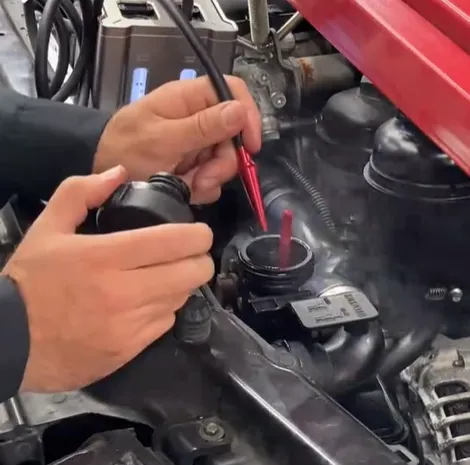
Because the repair is expensive and time-consuming, you do not want to tear the engine apart unless you are sure the gasket has failed. Identifying the problem early can prevent worse damage to the turbocharger or the engine’s internal cylinders. You must train your drivers and your maintenance team to recognize the most common intake manifold leak symptoms before they become a total breakdown.
Boost Pressure Loss in Turbocharged Engines
Almost all modern commercial diesel engines use a turbocharger to force extra air into the engine. This forced air, known as “boost,” travels directly through the intake manifold. The gasket must hold back 30 to 40 pounds per square inch (PSI) of continuous air pressure.
One of the most obvious intake manifold leak symptoms is a sudden or gradual loss of engine power, especially when driving a heavy truck up a hill. If the gasket cracks, the highly pressurized air from the turbocharger will escape through the crack instead of entering the engine cylinder. The driver will press the gas pedal, but the truck will feel weak and sluggish. You might also hear a loud “hissing” or “whistling” sound coming from the engine bay when the engine is under a heavy load. This is the sound of your expensive turbo boost escaping into the atmosphere. Catching these turbo boost leaks early is the best way to control How Much Is A Intake Manifold Gasket Replacement before it causes secondary damage to the engine components.
Irregular Idling and Fuel Efficiency Drops
Another major category of intake manifold leak symptoms involves the engine’s computer system. The engine Control Module (ECM) carefully measures how much air is entering the engine so it can inject the exact right amount of diesel fuel. If the intake gasket has a vacuum leak, “unmetered” air sneaks into the engine without the computer knowing.
This confuses the computer. The engine will begin to idle very roughly, shaking the entire cabin of the truck. Furthermore, because the air-to-fuel ratio is incorrect, the engine will start to burn fuel very poorly. You will notice a sharp drop in your miles-per-gallon (MPG) efficiency. In severe cases, the truck will start blowing thick, black smoke from the exhaust pipe because it is dumping too much fuel into the cylinders to compensate for the air leak.
Ignoring these symptoms means you will waste money on fuel, which makes the final answer to how much is a intake manifold gasket replacement much more expensive for your fleet.
Why Upgrading the Gasket Material Saves Labor Costs
When fleet managers finally calculate exactly how much is a intake manifold gasket replacement costs, they quickly realize that doing the job twice is a financial disaster. The secret to minimizing your long-term maintenance budget is to attack the labor cost for intake manifold gasket replacement by ensuring the mechanic never has to do it again. This is achieved by upgrading the gasket material.
In the past, many factory intake gaskets were made of thick paper, composite fibers, or cheap plastic. While these materials are very cheap to manufacture, they do not survive well in the harsh environment of a modern engine. The intake manifold sits right next to the hot cylinder head. The constant cycle of extreme heat and cooling causes cheap paper gaskets to dry out, become brittle, and eventually crack under the vibration of the diesel engine. Once it cracks, the boost pressure blows a hole right through it.
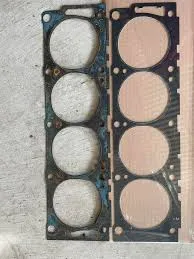
To eliminate future labor costs for intake manifold gasket repairs, professionals now use upgraded materials. The best modern intake gaskets are built with a solid metal core, usually stainless steel or aluminum. This metal core gives the gasket structural strength so it cannot be blown out by high turbo pressure.
On top of this metal core, premium gaskets feature raised “beads” made of specialized silicone or FKM (Fluoroelastomer) rubber. When the heavy intake manifold is bolted down, these rubber beads compress and form a perfect, flexible seal against the metal surfaces. Because the rubber is bonded to a metal core, it will not shrink, tear, or dry out over time. It can handle the oil vapors, the intense heat, and the heavy vibration of a commercial truck for hundreds of thousands of miles. By spending just a little more money on a premium material, you completely protect yourself from paying a second labor cost for intake manifold gasket replacement.
VPGASKET Heavy-Duty Intake Sealing Solutions
If you are a B2B parts distributor or a large-scale repair facility, you cannot afford to supply your mechanics with low-grade seals. You need a manufacturing partner who understands the extreme demands of the commercial diesel industry. At VPGASKET, we design and manufacture intake sealing solutions that are built to outlast the competition.
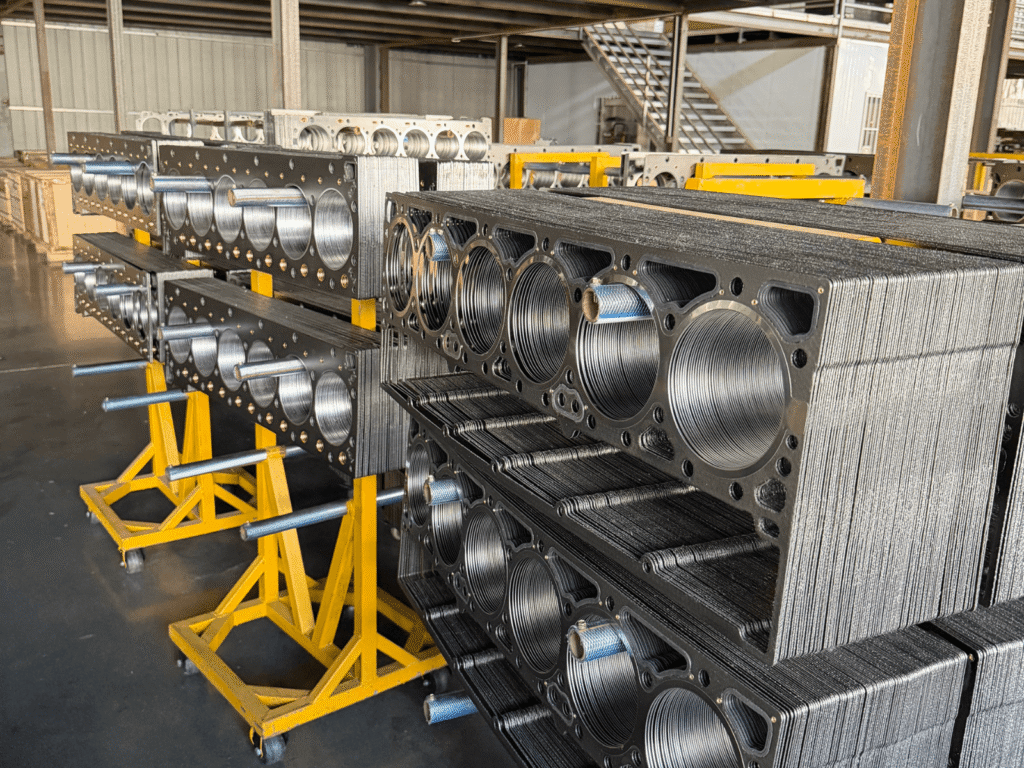
We know that when your customers ask how much is a intake manifold gasket replacement costs, they are worried about their business uptime. Our factory uses advanced computer-controlled (CNC) cutting machines to ensure that every intake gasket we produce fits with 100% perfect accuracy. We specialize in parts for the world’s most popular heavy-duty engines, including the Cummins ISB, ISF, 6BT, and massive QSK industrial series.
Our premium intake gaskets utilize the high-temperature silicone and FKM beaded technology discussed above. We do not use cheap fillers or recycled rubber. Every VPGASKET product is engineered to withstand the highest turbo boost pressures and the most aggressive thermal cycles. By stocking our products in your warehouse, you guarantee your customers that they will only ever pay the labor cost for intake manifold gasket replacement one time. We provide professional B2B packaging, fast global shipping, and the reliability that comes with 28 years of dedicated manufacturing experience.
OEM Interchangeability & Application Guide
To help our B2B partners streamline their inventory, our heavy-duty intake manifold gaskets offer 100% direct fitment for major commercial engines. Below is a quick reference guide for our top-performing intake seals:
| Engine Series | Compatible Vehicle Brands | Typical Applications | Replaces OEM No. | Material Tech |
| Cummins ISB 5.9 / 6.7 | Dodge RAM, Freightliner, Ford | Medium-Duty Trucks, School Buses | 3985659, 3938152 | Metal-Core + Silicone Bead |
| Cummins ISF 3.8 | Foton, GAZ, JAC | Foton Aumark, GAZelle NEXT | 5263530, 4980644 | High-Temp Composite |
| Cummins 6BT 5.9 | Dongfeng, Komatsu, XCMG | Construction Excavators, Generators | 3928129, 3903282 | Reinforced Steel |
| Cummins ISX / QSX | Peterbilt, Kenworth, Volvo | Class 8 Heavy-Duty Trucks | 4352148, 4952829 | Multi-Layer Steel (MLS) |
Real-World Results: Eliminating Repeat Labor Costs for a Logistics Fleet
When business owners ask us how much is a intake manifold gasket replacement, we show them how to pay for it only once. Recently, a commercial logistics fleet operating 150 medium-duty trucks was struggling with severe turbo boost leaks. The cheap paper gaskets they sourced locally were blowing out every 50,000 miles due to high intake temperatures, resulting in massive recurring labor bills. They upgraded their entire fleet to VPGASKET’s metal-core, silicone-beaded intake gaskets. The Benefits: The new structural gaskets perfectly handled the 40 PSI turbo pressure without tearing. The fleet completely eliminated intake vacuum leaks, restored their lost fuel economy, and reduced engine downtime by 35% over two years. By investing in VPGASKET’s premium materials, they saved tens of thousands of dollars in mechanics’ hourly rates.
What the Industry Experts Say
“In commercial fleet management, focusing only on the price of the part is a massive mistake. When directors ask me how much is a intake manifold gasket replacement costs, I immediately point to the downtime and the mechanic’s hourly rate. Paying 20% more for a premium, metal-core silicone-beaded gasket from the factory easily prevents a $1,200 labor bill next year. The labor cost for intake manifold gasket work is simply too high to risk using inferior composite materials. If you see the intake manifold leak symptoms, you pull the truck, you buy the best industrial gasket on the market, and you fix it permanently. That is how you keep a logistics company profitable.”
- Sarah Jenkins
- Fleet Maintenance Cost Analyst
Sourcing High-Temperature Gaskets Direct from the Factory
Are you tired of losing customers because of low-quality aftermarket parts? Do you want to provide your repair network with gaskets that actually solve the problem permanently? Stop buying from middlemen who offer zero quality control. Partner directly with VPGASKET, a professional manufacturer affiliated with Hubei Lianzhong Industrial Co., Ltd.
The VPGASKET B2B Advantage:
- ISO 9001 Certified Quality: Every gasket undergoes strict dimensional and thermal testing to withstand extreme turbo pressures.
- Free ESN Matching Service: Simply provide your Engine Serial Number (ESN), and our technical team will ensure a 100% accurate OEM replacement match.
- Factory-Direct Pricing: We eliminate the middleman, offering aggressive wholesale discounts for parts distributors and fleet operators globally.
- Custom Packaging & Fast Shipping: Whether you need a small batch for testing or a massive container for global distribution, our robust supply chain is ready to support your business.
Click the button below to contact our professional sales representatives. We will provide you with a comprehensive catalog, material specifications, and a customized wholesale quote to help you increase your profit margins.
FAQ
1. Can I drive my truck if I notice intake manifold leak symptoms?
It is highly discouraged. While the truck might still move, a vacuum leak causes the engine to run very poorly. Driving with severe intake manifold leak symptoms can cause the engine to overheat, damage the exhaust valves, and destroy the expensive turbocharger due to over-speeding as it tries to make up for the lost air pressure.
2. Why is the labor cost for intake manifold gasket replacement higher on diesel engines than on gas cars?
Commercial diesel engines are much larger and more complex. The manifold is often buried under heavy steel fuel injector lines, massive EGR coolers, and complex wiring. The mechanic has to carefully remove and later reinstall all these heavy components, which drives the labor cost for intake manifold gasket jobs very high.
3. Will a liquid spray sealant fix the leak and lower how much is a intake manifold gasket replacement?
No. A spray sealant cannot withstand extreme air pressure. The only proper way to control How Much Is A Intake Manifold Gasket Replacement is to use a physical, high-quality replacement metal gasket.
4. How long does a premium metal-core intake gasket usually last?
If the engine block and manifold surfaces are perfectly clean, and the mechanic tightens the bolts to the correct factory torque specifications, a premium FKM or silicone-beaded metal gasket should last the entire service life of the engine, often exceeding 500,000 miles.
5. Do I need to replace the intake bolts when doing this repair?
It depends on the specific engine manufacturer. Some commercial engines use special “stretch” bolts that must be thrown away after one use. Always check the factory service manual. Reusing old, stretched bolts will prevent the new gasket from sealing, completely wasting the expensive labor cost for intake manifold gasket replacement.