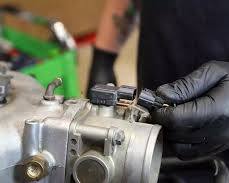
Every time you press the gas pedal in a vehicle, you are opening a metal door to let air into the engine. This metal door is called the throttle body. To make sure the air goes exactly where it needs to go, there is a very important seal placed between this part and the engine intake. This seal is the throttle body gasket. While it is a very small and simple part, the throttle body gasket is the ultimate gatekeeper of engine performance.
If this seal breaks or becomes old, your engine cannot control the air properly. In the world of commercial vehicles and professional repair shops, a broken throttle body gasket is a common but serious problem. It leads to wasted fuel, a shaking engine, and unhappy drivers. For B2B parts buyers and fleet managers, understanding how this part works, how to spot the problems, and how to replace it is essential for keeping maintenance costs low. This comprehensive guide will explain everything you need to know about the throttle body gasket, from diagnosing the first signs of trouble to performing a perfect, clean installation.
The Gatekeeper of Engine Performance: Why the Throttle Body Gasket Matters
To understand why the throttle body gasket is so important, we must look at how a modern engine breathes. The engine control computer acts like a brain. It measures exactly how much air is entering the engine through the main air filter. Once the computer knows the exact amount of air, it sprays the perfect amount of fuel to mix with it. This creates a smooth and powerful explosion inside the engine cylinders.
The throttle body gasket sits exactly at the point where the air enters the main engine block (the intake manifold). Its only job is to create a perfect, airtight seal. The engine creates a strong vacuum when it runs. It constantly sucks air inward. If the throttle body gasket is old, hard, or cracked, it cannot maintain the seal. When the seal fails, the strong engine vacuum sucks extra air through the crack.
Mechanics call this “unmetered air” or a vacuum leak. Because this extra air sneaks past the sensors, the engine computer does not know it is there. The computer sprays fuel for a small amount of air, but the engine actually receives a large amount of air. This ruins the perfect mixture. The engine will run very poorly, and the vehicle will lose its power.
For a business that relies on delivery trucks or heavy equipment, a failing throttle body gasket means the vehicle will burn more fuel to do the same amount of work. Over a year, this wasted fuel can cost a company thousands of dollars. Therefore, changing a cheap throttle body gasket is one of the easiest ways to protect the engine and save money.
Diagnosing Throttle Body Gasket Leak Symptoms
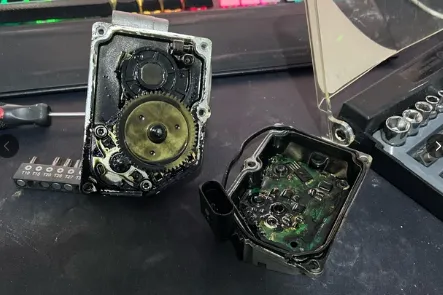
When the seal begins to fail, the engine will immediately start to act differently. Professional mechanics and fleet drivers must learn to recognize these warning signs early. If you ignore the problem, the vehicle may become unsafe to drive. Here are the most common throttle body gasket leak symptoms that you will see in the real world.
Vacuum Leaks and Unstable High Idle Issues
One of the most clear throttle body gasket leak symptoms is a strange idle. When you start the vehicle and lift your foot off the gas pedal, the engine should run smoothly and quietly at a low speed (usually around 700 to 800 revolutions per minute, or RPM).
If the throttle body gasket has a hole in it, the extra air is sucked into the engine even when the throttle door is closed. Because there is extra air, the engine speed will suddenly go up. You might see the RPM needle jump to 1,500 or 2,000 RPM while you are just sitting at a red light. Sometimes, the RPM will bounce up and down over and over again. This is called a “hunting” idle. The computer is trying to lower the speed, but the broken throttle body gasket keeps letting too much air inside. This makes the vehicle difficult to control, especially in heavy traffic or when parking.
Engine Stalling and Check Engine Light Warnings
Another major warning sign on our list of throttle body gasket leak symptoms is engine stalling. In some cases, the extra air from the vacuum leak makes the fuel mixture so thin (lean) that the engine simply cannot burn it. When you press the gas pedal to drive away from a stop sign, the engine might shake violently and then completely shut off. This stalling issue is very dangerous for commercial delivery drivers who need a reliable vehicle on busy city streets.
Furthermore, a bad throttle body gasket will almost always turn on the Check Engine Light on the dashboard. The engine computer has oxygen sensors in the exhaust pipe. These sensors will notice that there is too much air and not enough fuel in the smoke coming out of the engine. The computer will generate a warning code, such as P0171 (System Too Lean). When a mechanic connects a diagnostic scanner to the truck, this code is a strong clue that they need to look for throttle body gasket leak symptoms.
Pro Maintenance: Cleaning the Throttle Body Gasket Safely
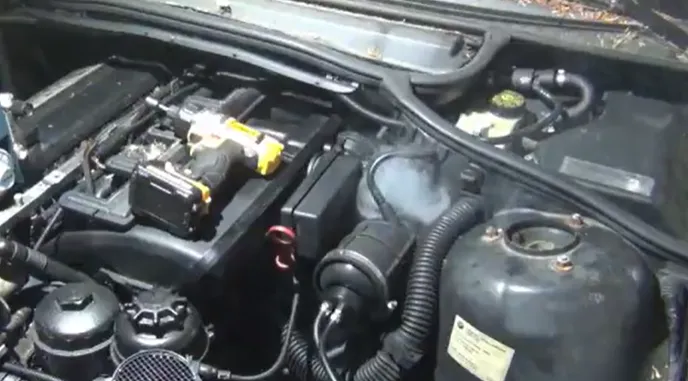
If you confirm that the gasket is leaking, you must replace it. However, installing a new seal is only half of the job. To make sure the new part works perfectly, you must master the process of cleaning throttle body gasket surfaces. If the metal surface is dirty, the new gasket will fail immediately. Here is the professional step-by-step method.
Step 1: Safe Removal and Disconnection
Before you begin cleaning throttle body gasket areas, you must turn off the engine and disconnect the negative battery cable. This protects the sensitive electronic sensors on the throttle body. Next, you must carefully remove the air intake hose and unbolt the throttle body from the engine. Pull the metal unit away slowly. You will see the old throttle body gasket sticking to the metal.
Step 2: Removing the Old Material
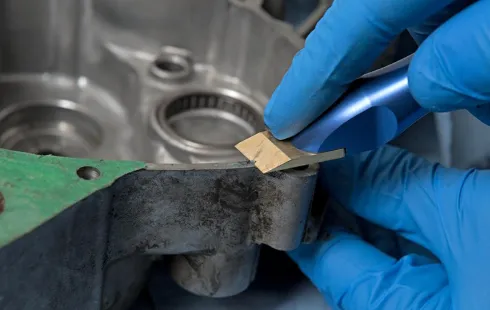
Many people make a terrible mistake during this step. They use hard metal scrapers or wire brushes to remove the old seal. You must remember that the engine intake is usually made of very soft aluminum. If you scratch the aluminum, you create a permanent path for air to leak. When cleaning throttle body gasket surfaces, you should only use a plastic scraper.
Gently push the plastic blade against the old rubber or paper material. If the material is baked on and very hard, do not force it. Instead, spray a professional chemical gasket remover onto the old seal. Wait ten minutes for the chemical to soften the rubber. Then, the old material will wipe away easily without damaging the soft aluminum metal.
Step 3: Final Chemical Wipe
The last step of cleaning throttle body gasket surfaces is the chemical wipe. Even if the metal looks clean, there is often a thin layer of oil or chemical spray left behind. Take a clean, lint-free cloth and spray it with a professional brake cleaner or solvent. Wipe the metal surface on the engine intake and the metal surface on the throttle body until they are perfectly bright and dry.
When the metal is chemically clean, the new throttle body gasket will form a tight, molecular bond with the engine. Place the new gasket perfectly in the center, and tighten the bolts in a star pattern. By taking your time and properly cleaning throttle body gasket mounting areas, you ensure that the repair will last for years, saving your customer from future breakdowns.

Material Matters: Choosing the Right Throttle Body Gasket
Not every throttle body gasket is made with the same quality. When a parts distributor is choosing which brand to buy, they must look at the science of the materials. Why do these gaskets fail in the first place?
The throttle body lives in a very harsh environment. First, it faces constant heat from the engine block. Second, and more importantly, it faces chemical attacks. Modern engines have a system called Positive Crankcase Ventilation (PCV). This system takes hot oil vapors from inside the engine and sends them back into the intake to be burned. This means hot oil is constantly washing over the throttle body gasket.
If the gasket is made of cheap, standard rubber or basic paper, the hot oil will destroy it. The cheap rubber will absorb the oil, swell up, and then turn as hard as a rock. Once it is hard, the engine vibration will crack it, leading directly to the throttle body gasket leak symptoms we discussed earlier.
To prevent this, premium gaskets are made from advanced materials like FKM (Fluoroelastomer) or high-grade silicone molded over a rigid carrier frame. These advanced materials do not care about hot oil. They stay soft and flexible even after years of extreme heat. When you choose a high-quality throttle body gasket, you are providing a part that will outlast the original factory component. For a repair shop, using premium materials means the customer will never return with the same problem, building strong trust and an excellent business reputation.
VPGASKET Precision Throttle Seals for B2B Fleets
If you manage a large parts warehouse or supply local mechanics, you need a factory partner that understands volume, consistency, and quality. At VPGASKET, we manufacture the exact throttle body gasket solutions your business needs to stay profitable.
Because this gasket is a very common failure point on millions of vehicles, it is a high-turnover item. Parts stores sell these every single day. We produce these seals in massive quantities using advanced CNC molds. This ensures that every single throttle body gasket we put in a box has the exact same dimensions. There are no missing holes, and there is no extra rubber hanging off the edges. The part will fit perfectly on the engine block the first time, every time.
OEM Interchangeability & Application Guide
To ensure our B2B partners stock the right parts, our throttle body gaskets offer 100% direct fitment for major commercial engines. Here is a quick reference guide for our most popular heavy-duty and light-commercial applications:
| Engine Series | Compatible Vehicle Brands | Typical Applications | Replaces OEM No. | Material |
| Cummins ISF 2.8 / 3.8 | Foton, GAZ, JAC | Foton Aumark, GAZelle NEXT, Tunland Pickup | 5303743, 5256423 | High-Temp FKM |
| Cummins ISB / QSB | Dongfeng, Freightliner, Komatsu | Medium-Duty Trucks, Construction Excavators | 3969988, 4933225 | Molded Silicone |
| Cummins ISG / ISZ | Foton Daimler, Heavy Commercial | Auman EST Heavy Trucks | 4376140 (Set inclusion) | Rubber-Steel |
Comprehensive Engine Sealing Solutions
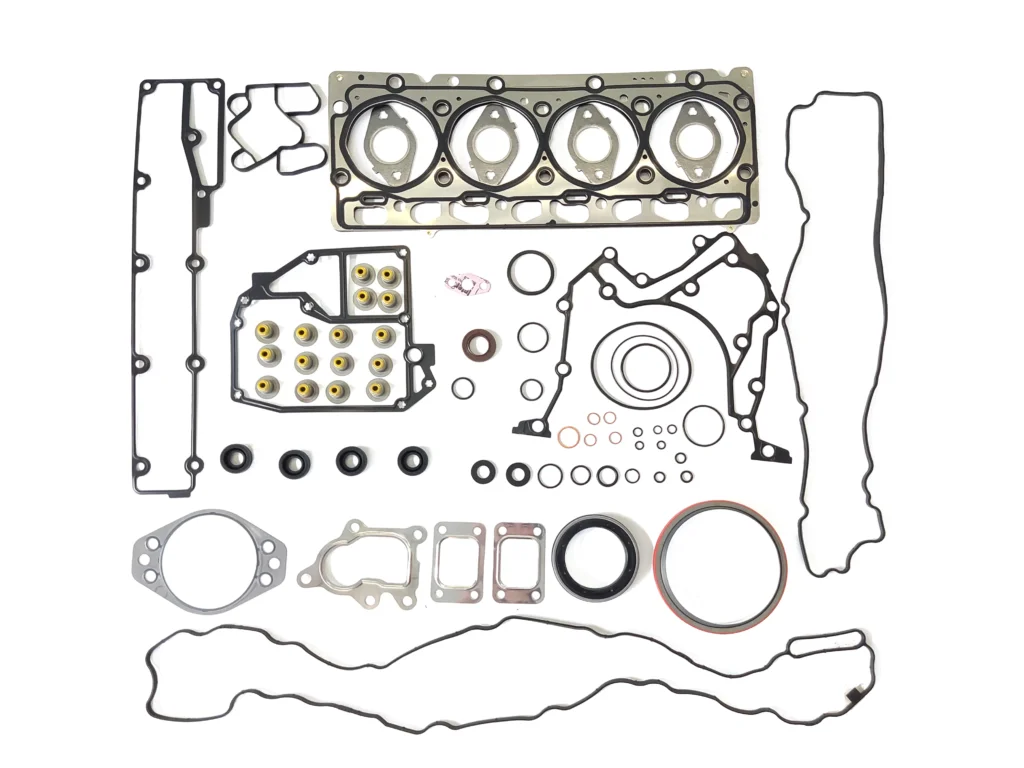
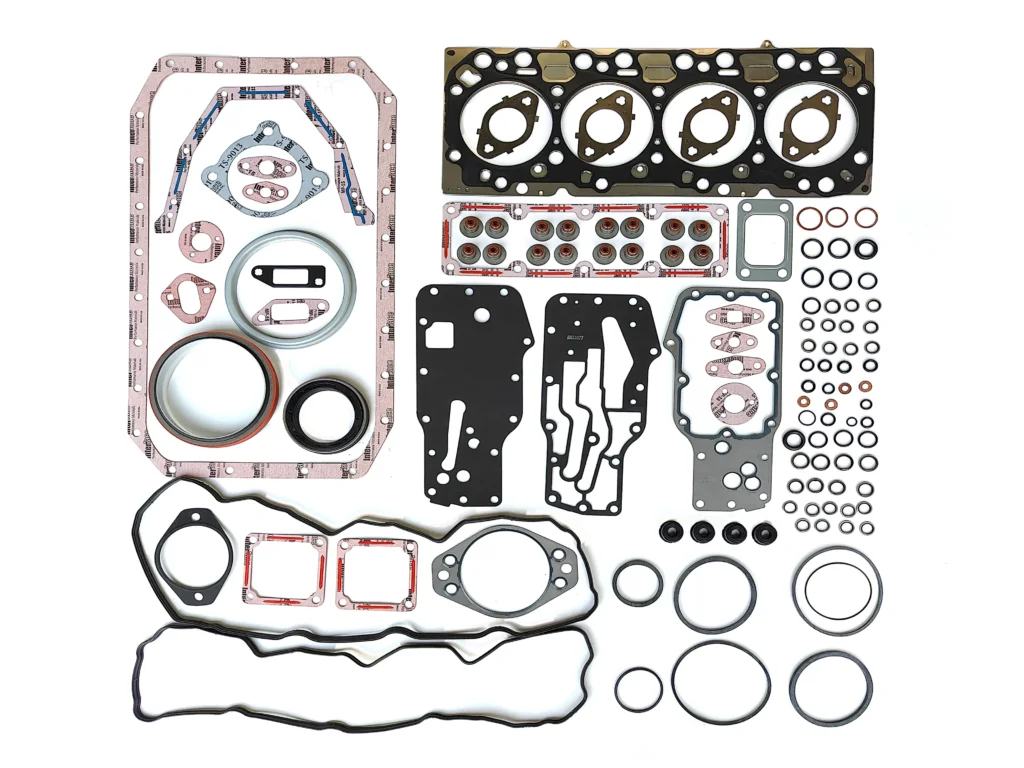
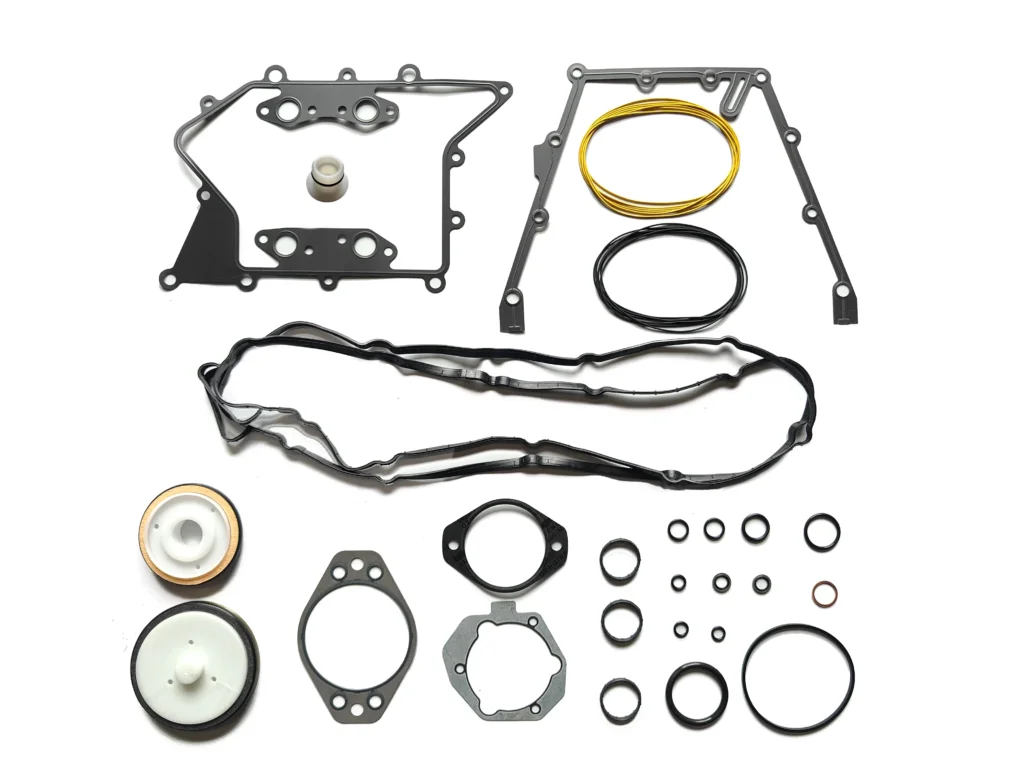
While replacing the throttle body gasket solves immediate intake leaks, major engine overhauls require a complete sealing solution. Our throttle body gaskets are standard inclusions in our premium overhaul sets. Explore our top-selling kits below:
- Genuine 4376509 Cummins Complete Overhaul Set for ISF 3.8 Platforms
- Genuine 4955357 Cummins Lower Gasket Set for 4.5L Engines
- Genuine 4376140 Cummins Lower Overhaul Gasket Set for ISG Platforms
Related Products
-
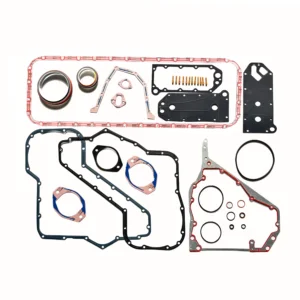
3800558 Upper Engine Gasket Set for Cummins 6CT 8.3L – Premium Overhaul Kit
-
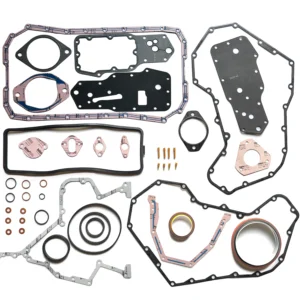
3802375 Lower Engine Gasket Kit for Cummins 4BT 3.9L
-
3802376 | Premium Upper Engine Gasket Kit for Cummins 6BT 5.9L – Ultimate Top-End Sealing
-
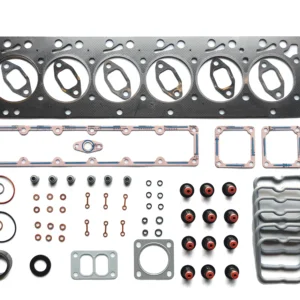
3804879 Premium Lower Engine Gasket Kit for Cummins 6BT 5.9L – Essential Overhaul Protection
We supply a massive range of designs, including simple O-ring styles, flat molded rubber styles, and complex composite paper styles for older engines. Our products are packaged perfectly for international shipping, keeping the rubber fresh and protected from sunlight and ozone damage. By stocking the VPGASKET brand, you can promise your clients that they will successfully eliminate their throttle body gasket leak symptoms without worrying about the part failing again next month.
What the Industry Experts Say About the Throttle Body Gasket
“In my diagnostic bay, I see mechanics waste hours and hundreds of dollars of the customer’s money replacing expensive oxygen sensors and fuel pumps. They see a ‘Lean’ code on their computer, and they panic. In reality, 50% of the time, the true cause of the problem is a cheap, degraded throttle body gasket. A vacuum leak from this small area will completely trick the engine computer and mimic severe fuel injection problems. I always teach my students: do not waste money guessing. Take a smoke machine, test the intake, and look for those classic throttle body gasket leak symptoms. Replacing a $5 seal can often fix a $500 running issue. It is the most important basic check in engine repair.”
- David Chen
- Engine Diagnostics Specialist
Real-World Results: How a Logistics Fleet Saved 30% on Maintenance
For a commercial business, every decision is about the return on investment (ROI). Replacing a throttle body gasket is one of the highest ROI maintenance tasks a fleet can perform.
The true value of a VPGASKET product is measured in business uptime. Recently, a major urban logistics fleet operating 200 Foton light trucks was experiencing frequent stalling and high fuel consumption. Their mechanics discovered that the cheap aftermarket throttle body gaskets they were using turned brittle after just 40,000 miles due to high engine temperatures. They partnered with VPGASKET and upgraded their entire fleet to our FKM-molded throttle body gaskets. The benefits were immediate: The fleet eliminated vacuum leak issues, improved their average fuel economy by 8%, and reduced intake-related maintenance downtime by 30%. By investing in VPGASKET’s premium materials, they saved thousands of dollars in repeat labor costs and kept their trucks on the road.
This is the message that B2B parts distributors must communicate to their customers. Selling a throttle body gasket is not just selling a piece of rubber; it is selling a tool that immediately lowers the operational cost of a commercial fleet.

Order Bulk Throttle Body Gaskets for Your Distribution Network
Are you ready to supply your customers with the most reliable engine sealing products on the market? As a direct manufacturer affiliated with Hubei Lianzhong Industrial Co., Ltd. (established in 2001), VPGASKET provides more than just parts; we provide a complete B2B partnership.
Why Choose VPGASKET as Your Supplier?
- Exact OEM Fitment: Precision CNC manufacturing ensures a 100% match with original Cummins specifications.
- Engine Serial Number (ESN) Matching: Our technical team provides free ESN verification to ensure you never order the wrong part.
- ISO-Certified Quality: Every batch of our gaskets is rigorously tested for heat and chemical resistance.
- Factory-Direct Wholesale: We eliminate the middleman, offering aggressive pricing for global distributors and large repair centers.
Whether you need to expand your inventory of intake parts or require a reliable supplier for complete Cummins engine overhaul kits, our global sales team is ready to assist you.
FAQ
1. How often should a throttle body gasket be replaced?
A throttle body gasket does not have a strict mileage limit, but it is highly recommended to replace it anytime you remove the throttle body for cleaning. Reusing an old gasket is the most common cause of a new vacuum leak.
2. Can I use a liquid silicone sealant instead of a proper throttle body gasket?
No, this is not recommended. Liquid sealant can be squeezed out when you tighten the bolts. If pieces of dried liquid sealant fall into the engine intake, they can cause severe engine damage. Always use the proper physical gasket designed for the vehicle.
3. What happens if I ignore throttle body gasket leak symptoms?
If you ignore the symptoms, the engine will run poorly, consume excessive fuel, and stall frequently. Over a long period, the incorrect air-fuel mixture can cause the engine to run too hot, which can permanently damage the exhaust valves and the catalytic converter.
4. Why is the engine idle very high after cleaning the throttle body gasket surfaces?
If the idle remains high after the repair, you may have forgotten to reconnect a vacuum hose, or you may not have tightened the bolts evenly, causing a new leak. Also, some modern cars require the engine computer to “relearn” the idle speed after a new gasket is installed.
5. How tight should I make the bolts on a throttle body gasket?
You must always use a torque wrench and follow the factory specifications. Most throttle bodies are made of soft aluminum. If you tighten the bolts too much, you will bend the metal or break the plastic housing, which will destroy the seal, even with a brand-new gasket.